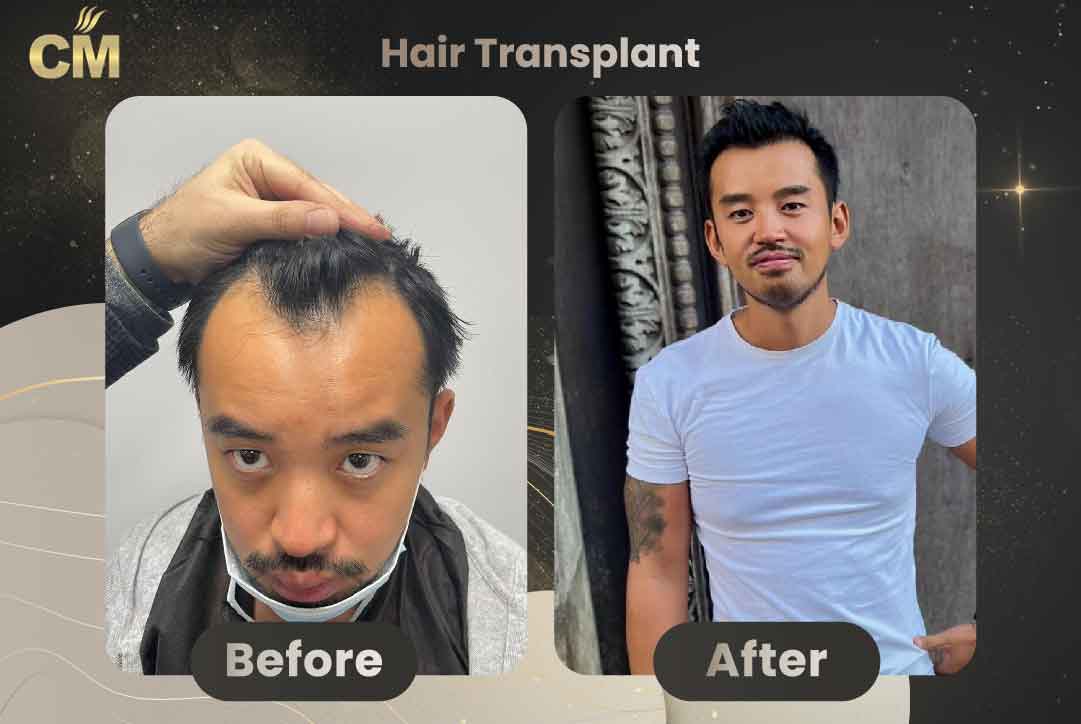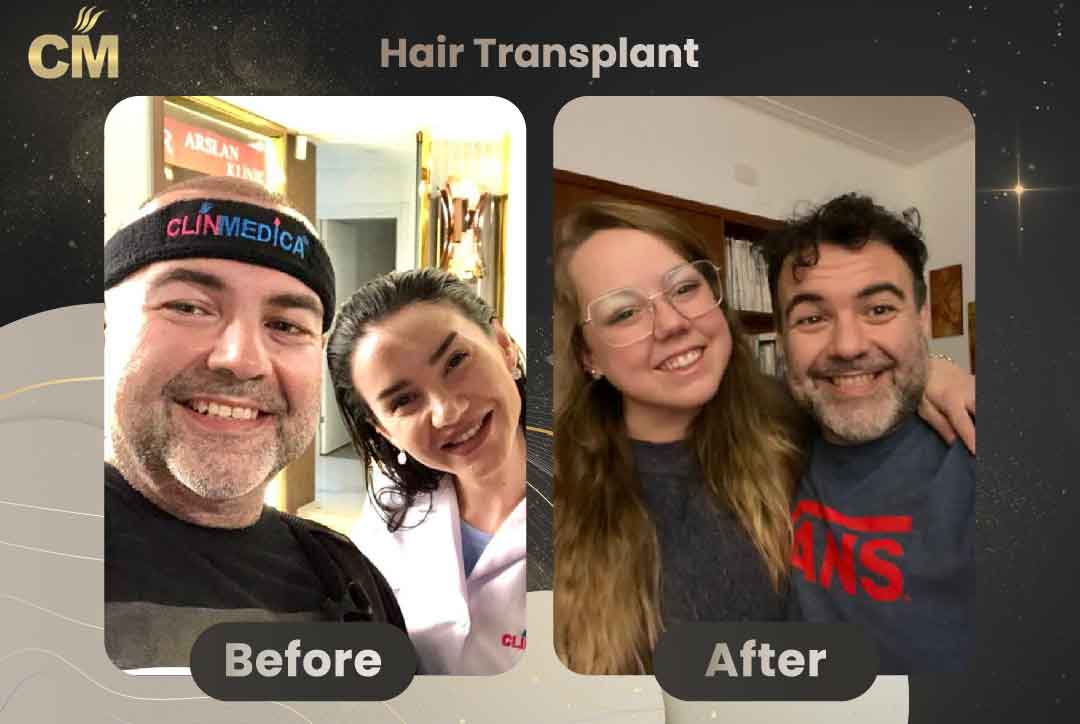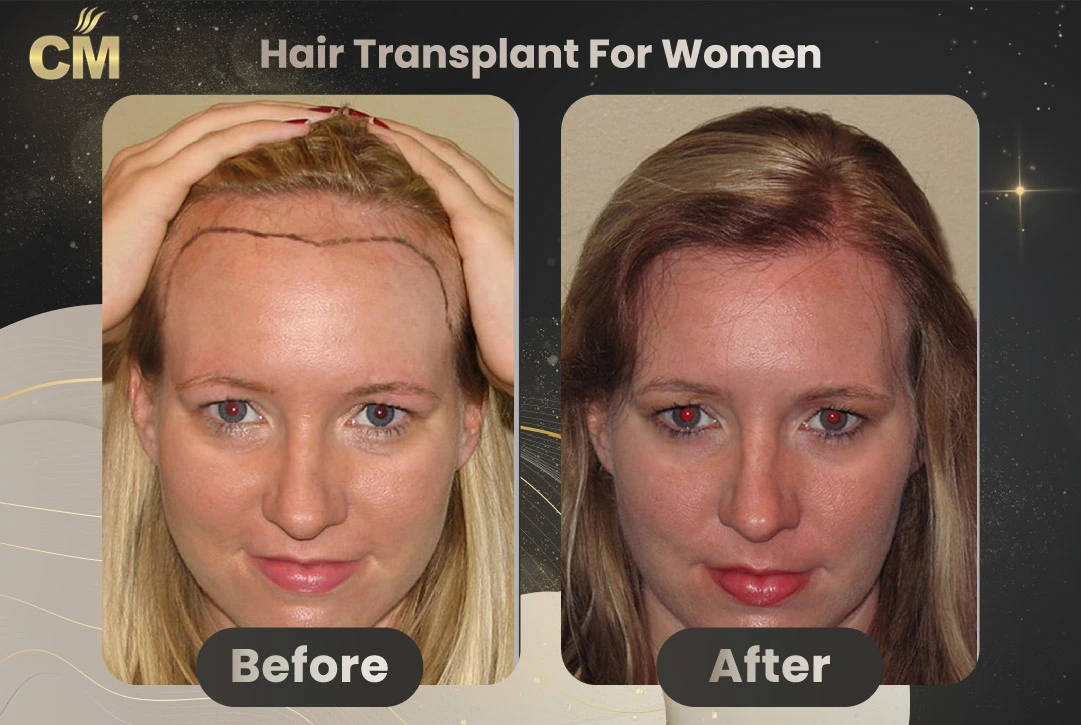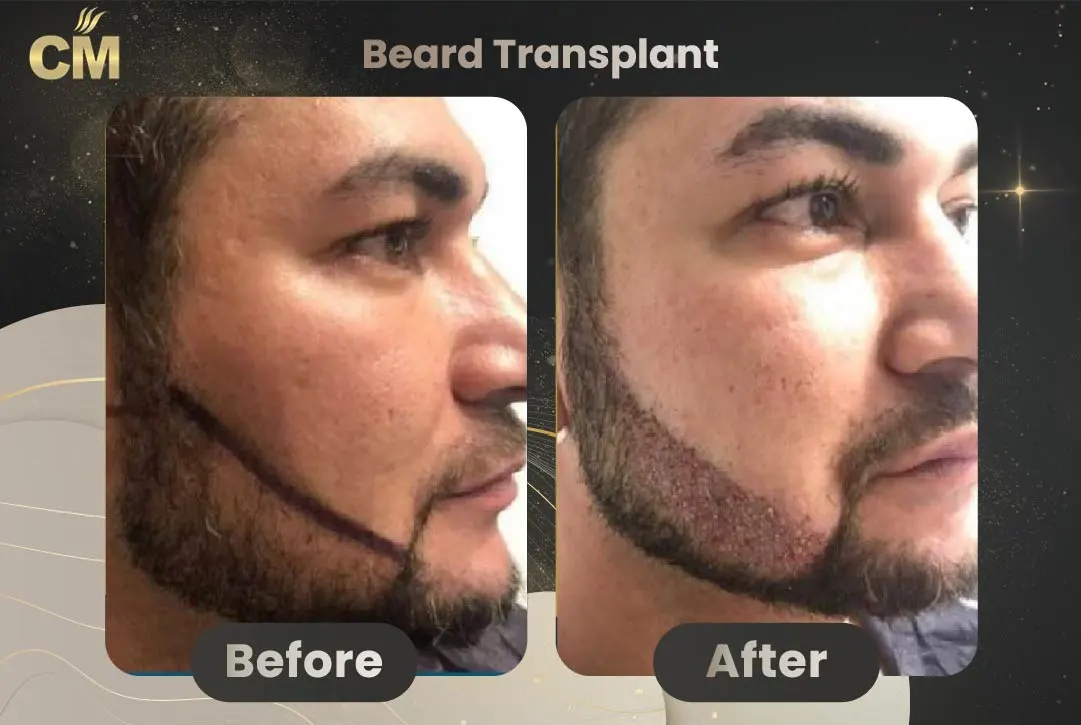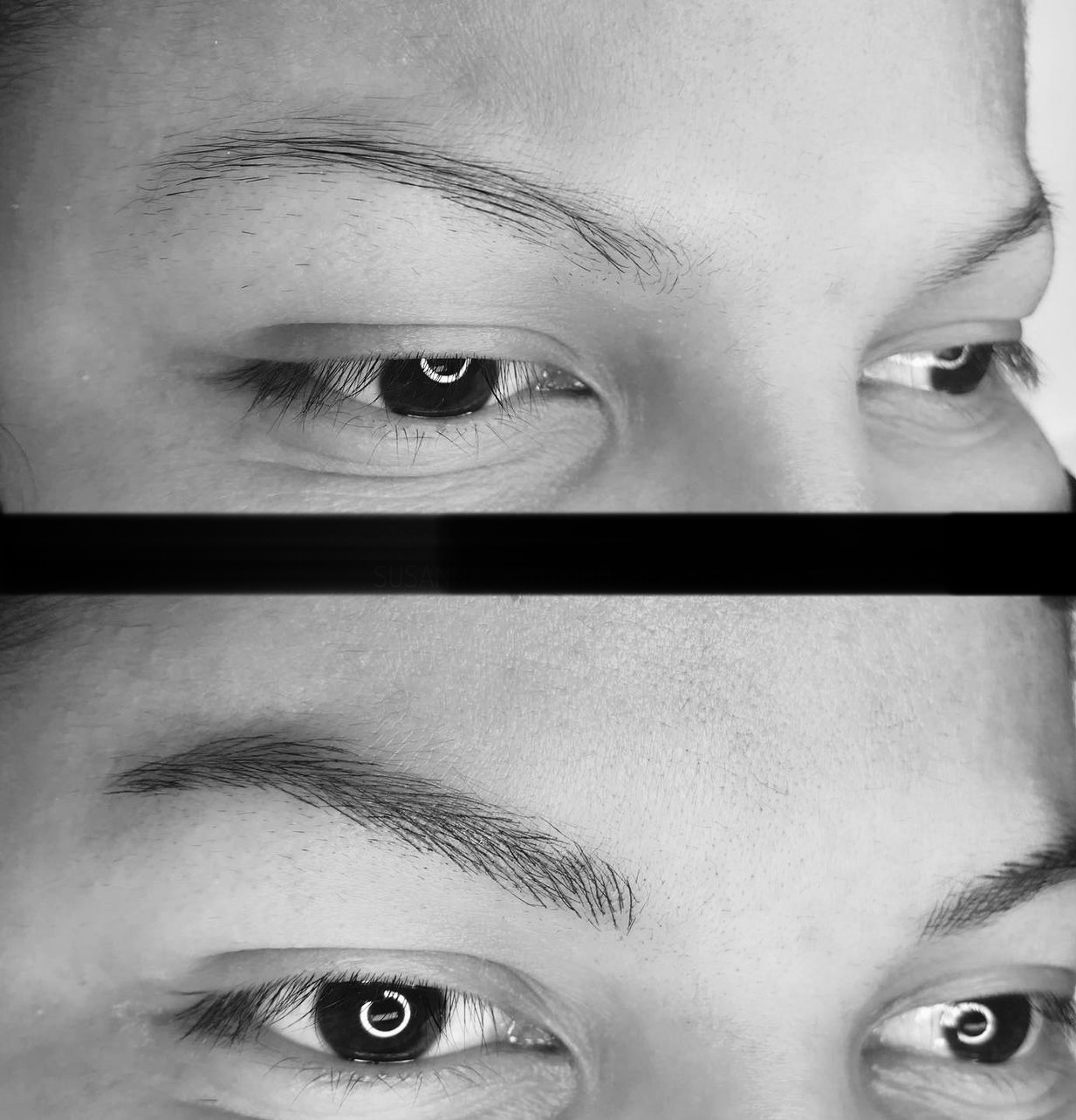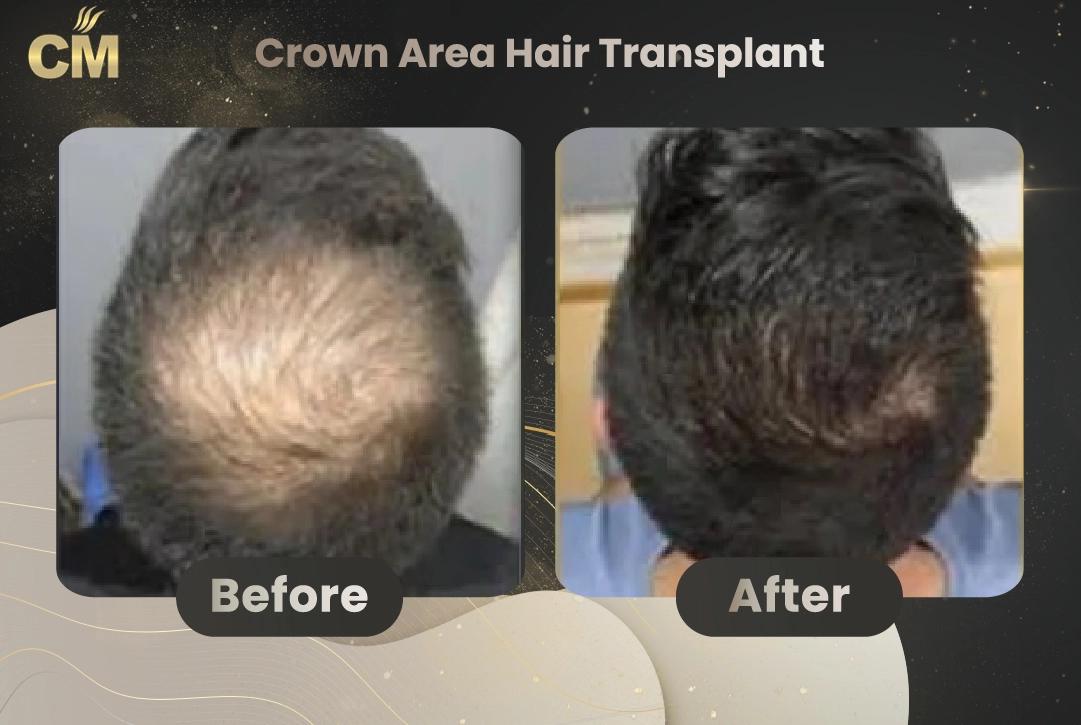
Si está informándose sobre el trasplante capilar antes y después en Turquía, seguramente ya habrá visto muchas fotos que animan: líneas frontales más pobladas, más densidad y cambios de aspecto totalmente natural. Pero el proceso no se reduce a las imágenes. También incluye la preparación antes de la cirugía, la curación posterior y la paciencia necesaria para ver el resultado completo.
Como suelen recordar los especialistas a sus pacientes: «El antes y el después no son solo fotos. Una buena preparación y unos cuidados posteriores rigurosos importan tanto como la propia intervención». Seguir las indicaciones médicas, suspender ciertos medicamentos y dar tiempo al cuero cabelludo para curar son partes clave del proceso.
Entender el proceso del «antes y después»
La caída del cabello es frustrante y, en muchas personas, va minando la confianza en sí mismas. El trasplante capilar moderno ha cambiado eso. Las técnicas actuales, como FUE, Sapphire FUE y DHI , permiten reconstruir líneas frontales naturales y recuperar densidad con resultados que se integran sin que se note.
La transformación del «antes y después» empieza mucho antes del día de la cirugía. Un cirujano cualificado valora la zona donante, el tipo de cabello y el estado general de salud para elaborar un plan a medida. Es imprescindible contar con suficiente cabello donante, porque de él depende cuánta densidad se puede recuperar de forma realista. Esta planificación es la que permite a los pacientes lograr no solo más pelo, sino un aspecto equilibrado y natural.
Antes de su trasplante capilar
La consulta
Todo empieza con una valoración detallada. Los cirujanos estudian su patrón de caída, la calidad de su zona donante y su estado general de salud. Si la consulta es a distancia, normalmente se piden fotos nítidas desde distintos ángulos.
Preparación médica
Es posible que le pidan:
Dejar de fumar al menos dos semanas antes.
Evitar el alcohol y los medicamentos que diluyen la sangre.
Suspender algunos tratamientos contra la caída del cabello, como el Minoxidil.
Estas medidas reducen el riesgo de sangrado y mejoran la curación.
Planificar el viaje
Si viaja a Turquía, cuente con quedarse 3–4 días. La mayoría de los pacientes llega un día antes de la cirugía, se opera al día siguiente y se queda uno o dos días más para la revisión y el primer lavado. La ropa cómoda, como las camisas con botones, le facilitará las cosas después de la cirugía.
Qué ocurre justo después de la cirugía
Las horas posteriores a la cirugía suelen ser más llevaderas de lo que se imagina. Normalmente puede levantarse y caminar enseguida. Así se viven los primeros días:
Primeras 48 horas: el cuero cabelludo se nota tirante, pero no duele. La hinchazón y un enrojecimiento leve son normales. Le indicarán que duerma con la cabeza ligeramente elevada.
Día 3: empieza a lavarse con suavidad con un champú especial que le proporciona la clínica.
Final de la semana 1: se forman pequeñas costras que empiezan a caerse solas.
En esta fase, la mayoría de los pacientes ya puede retomar la vida social tranquila y el trabajo, siempre que proteja el cuero cabelludo.
Las etapas de la recuperación tras un trasplante capilar en Turquía
Conocer las etapas le ayuda a ajustar sus expectativas:
Semana 1: el enrojecimiento desaparece, las costras se caen y la zona donante cura rápidamente.
Semanas 2–6 (fase de caída): los pelos trasplantados se caen. Parece preocupante, pero forma parte del proceso los folículos siguen vivos bajo la piel.
Meses 3–4: empiezan a crecer pelos finos y suaves, como de bebé.
Meses 5–6: la densidad mejora y la línea frontal empieza a tomar forma.
Meses 6–9: el cambio se hace visible el pelo se engrosa y se oscurece.
Meses 9–12: aparece el resultado definitivo. Puede cortarse, peinarse y lavarse el pelo como antes.
La mayoría de los pacientes ve el cambio completo entre el «antes y después» al cumplirse los 12 meses.
Cuidados posoperatorios y vida diaria
Un buen trasplante depende tanto de los cuidados posteriores como de la cirugía. Normalmente se aconseja a los pacientes:
Lavarse el pelo con suavidad con el champú proporcionado.
No rascarse, no frotarse y no llevar gorros ajustados al principio.
Evitar el ejercicio intenso, la natación y el sol directo durante al menos dos semanas.
Usar los medicamentos o aerosoles que le dé la clínica para reducir la hinchazón y favorecer la curación.
Seguir estas sencillas normas protege los injertos y favorece el mejor crecimiento posible.
Cuidados tras el trasplante capilar para un crecimiento duradero
El éxito del antes y después de su trasplante capilar depende en gran medida de cómo cuide los nuevos injertos. En las primeras semanas, hágalo sencillo: lávese con suavidad con el champú proporcionado, no se rasque ni se frote y proteja el cuero cabelludo del sol con un sombrero o un protector solar suave.
El estilo de vida también cuenta. Fumar y beber mucho alcohol retrasan la curación, mientras que una buena alimentación, el descanso y la hidratación favorecen un crecimiento más fuerte. Las revisiones periódicas con su médico ayudan a seguir la evolución, y tratamientos como el PRP pueden dar un impulso adicional a los folículos.
Con los cuidados adecuados, el pelo trasplantado se mantiene fuerte, natural y duradero para que su resultado se vea igual de bien dentro de muchos años que al cumplirse el primer año.
Riesgos y seguridad
La cirugía de trasplante capilar moderna es segura, pero existen riesgos, sobre todo en entornos no regulados. Entre los posibles problemas están la infección, una densidad desigual o el «shock loss». Estos riesgos se comentan con usted de antemano y se reducen con un cirujano experimentado, instrumental estéril de un solo uso y unos cuidados posteriores rigurosos.
Preguntas frecuentes
1. ¿Es normal que se caiga el pelo después de un trasplante capilar?
Sí. La mayoría de los pelos trasplantados se caen durante el primer mes; es lo que se llama «shock loss». Es temporal, y el pelo nuevo suele empezar a crecer hacia el tercer mes.
2. ¿Cuándo puedo volver al trabajo después de un trasplante capilar?
La mayoría de los pacientes se siente cómoda para volver al trabajo en 2–5 días, según el tipo de intervención y la rapidez con que bajen la hinchazón y el enrojecimiento.
3. ¿Cuánto se tarda en ver el resultado completo de un trasplante capilar?
El primer crecimiento aparece hacia los 3–4 meses, y el pelo gana grosor hacia el mes 6. El resultado definitivo suele verse entre los 9–12 meses.
4. ¿Cuántos injertos necesito para un resultado natural en un trasplante capilar?
Depende de su grado de caída. Las pequeñas correcciones de la línea frontal pueden necesitar unos 2.000 injertos, mientras que una cobertura completa puede requerir 4.000–5.000 injertos.
5. ¿Son permanentes los resultados del trasplante capilar?
Sí. Los folículos trasplantados resisten a la hormona (DHT) que causa la calvicie. Aun así, su pelo original puede seguir perdiendo densidad con el tiempo, por lo que unos buenos cuidados y alguna revisión periódica ayudan a mantener el equilibrio.
Este artículo ha sido revisado médicamente por el equipo de especialistas de ClinMedica, entre ellos el Dr. Gokmen Güçer, el Dr. Erhan Güler y nuestro personal sanitario titulado.
Tiene una finalidad exclusivamente informativa y no sustituye a una consulta médica profesional.
Descubra cómo elaboramos y revisamos nuestros contenidos en nuestra Política de contenidos.