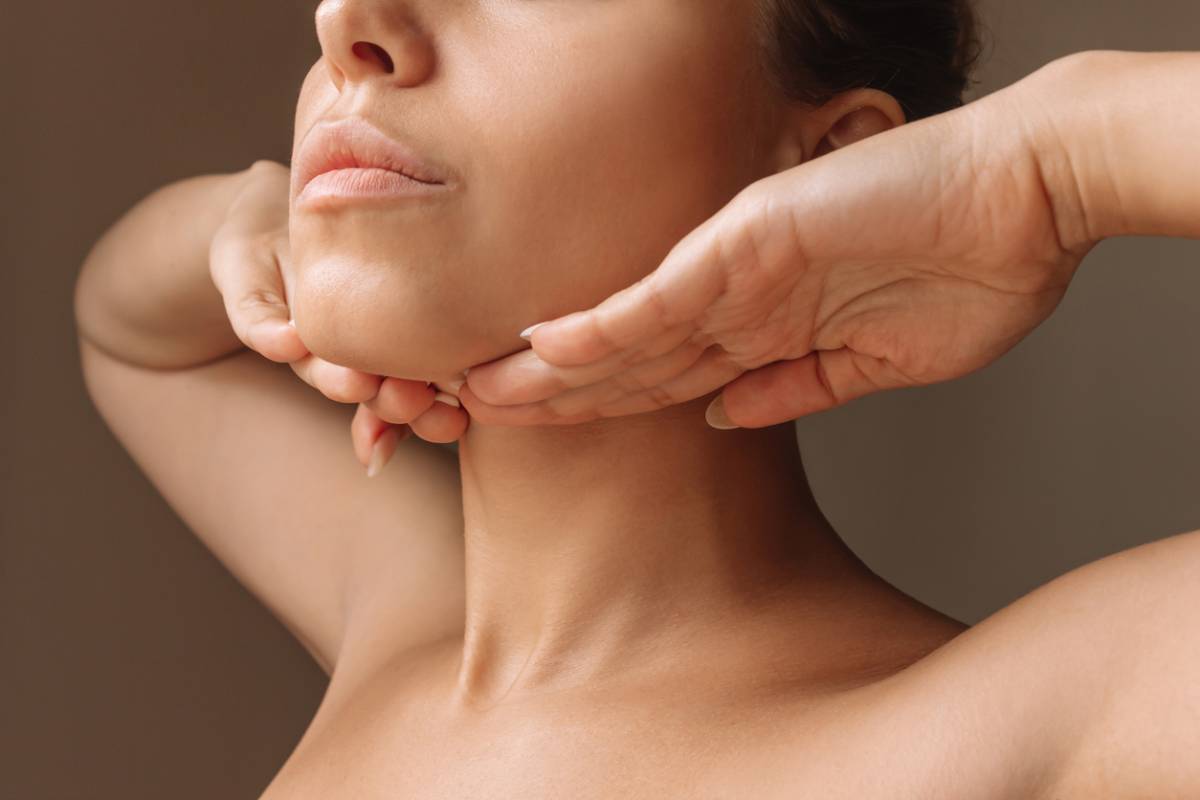
A midface lift in Turkey is a surgical facial rejuvenation procedure that focuses on the central part of the face, especially the cheeks, lower eyelid area, and the transition between them. It may help people who notice sagging cheeks, under-eye hollowness, deeper nasolabial folds, or a tired facial expression that does not match how they feel.
Unlike a full facelift, a midface lift is more targeted. It does not primarily address heavy jowls or major neck laxity. At ClinMedica, the aim is to assess facial anatomy carefully, discuss realistic expectations, and help suitable patients choose a safe, personalized surgical plan.
What is a Midface Lift in Turkey?
A midface lift in Turkey is a cheek-lifting procedure designed to reposition descended soft tissue in the middle third of the face.
This area includes the cheek fat pads, lower eyelid support zone, cheekbone region, and the folds that run from the nose toward the corners of the mouth.
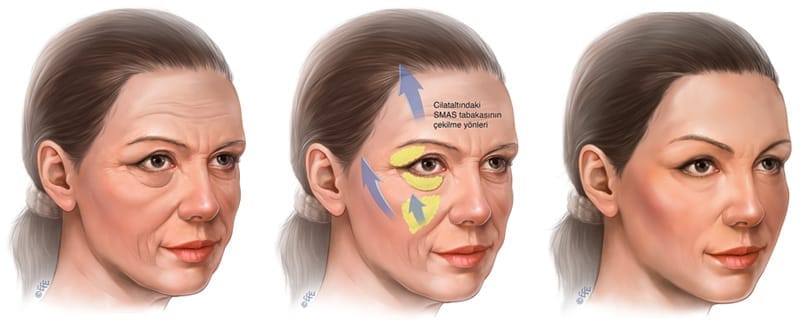
As facial aging progresses, the malar fat pad may move downward. This can make the cheeks look flatter, the under-eye area appear hollow, and the face look tired or sad.
A midface lift can help restore cheek support by lifting and securing these tissues in a higher, more youthful-looking position.
The procedure is sometimes called a cheek lift or midface rejuvenation surgery. However, it should not be confused with fillers, skin tightening devices, or a lower facelift.
A surgical midface lift works on deeper tissue support, while non-surgical options often focus on volume replacement or surface-level improvement.
Who May Be a Good Candidate for a Cheek Lift in Istanbul?
A cheek lift in Istanbul may be suitable for adults who have visible aging mainly in the cheek and lower eyelid area, but not necessarily severe lower-face sagging. The best candidates usually want a refreshed look rather than a dramatic change. This procedure may be discussed if you have one or more of the following concerns:
Cheek sagging: Drooping cheek tissue that makes the face look flatter or heavier.
Under-eye hollowing: A tired look caused by volume descent near the lower eyelids.
Deep nasolabial folds: More noticeable lines between the nose and mouth corners.
Midface volume loss: Reduced fullness around the cheekbone area.
Lower eyelid-cheek separation: A sharper groove between the lower eyelid and cheek.
Early facial aging: Central facial aging without major neck or jawline laxity.
How Does a Midface Lift in Turkey Improve the Cheeks and Lower Eyelids?
A midface lift in Turkey works by lifting and repositioning the soft tissues that have descended over time.
The central structure often discussed is the malar fat pad, a natural cheek fat compartment that gives the midface its fullness and contour.
When this fat pad drops, the upper cheek may lose definition.
The lower eyelid area may look hollow, and the nasolabial folds may become more visible. By repositioning the soft tissue upward, the surgeon may improve cheek projection and create a smoother transition from the lower eyelid to the cheek.
This does not mean every patient will need the same technique. Some patients need more structural lifting, while others may benefit from a more conservative approach.
In some cases, a midface lift may be combined with lower blepharoplasty, fat grafting, brow lift, or a wider facelift plan.
The right choice depends on anatomy, skin quality, age-related changes, and personal goals.
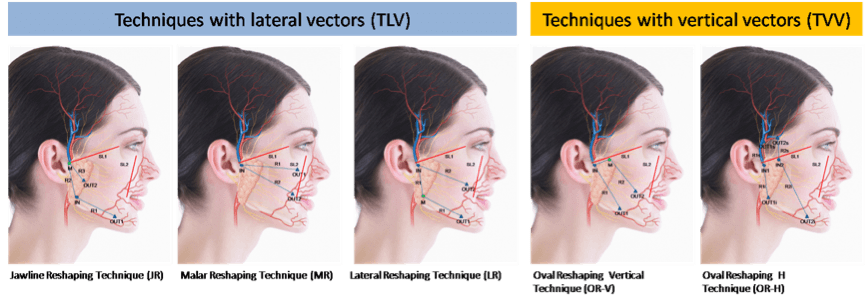
Midface Lift Surgery in Istanbul Techniques Used for Natural-Looking Results
Different midface lift surgery in Istanbul methods can be used for midface rejuvenation. The technique should be chosen after a detailed facial assessment, not based only on a popular name or trend.
Subperiosteal midface lift
A subperiosteal midface lift works at a deep level near the bone covering. It may be used when the goal is to lift the cheek tissues more structurally and improve the lower eyelid-cheek transition.
This approach can be helpful for selected patients with more noticeable cheek descent or midface flattening. Because it works at a deeper anatomical plane, it requires careful surgical planning and precise handling of nerves and vessels.
Endoscopic midface lift
An endoscopic midface lift uses small incisions, and a camera-assisted instrument called an endoscope. This technique may reduce visible scarring and allow more controlled visualization during surgery.
It may be considered for patients with mild to moderate midface aging. However, it is not ideal for everyone. Skin laxity, cheek descent severity, and previous procedures all influence whether this approach is suitable.
Lower eyelid approach
In some cases, the midface can be accessed through a lower eyelid incision, especially when lower eyelid surgery is also needed. This may help address eyelid sagging, under-eye hollowness, and cheek support in one plan.
Because the lower eyelid is delicate, this approach must be planned carefully. Poor technique or unsuitable patient selection may increase the risk of eyelid position problems, prolonged swelling, or visible changes.
SMAS-related lifting
The SMAS, or superficial musculoaponeurotic system, is a deeper facial support layer. Some facelift techniques use SMAS repositioning to improve tissue support and facial contour.
For midface-focused patients, SMAS involvement may be considered when there are broader facial aging concerns. It is more commonly discussed when the midface lift is combined with a facelift or lower-face rejuvenation.
What Happens During Midface Rejuvenation in Istanbul?
A midface rejuvenation in Istanbul is usually performed under general anesthesia or deep sedation, depending on the surgical plan and patient needs. The exact steps vary by technique, but the procedure usually follows a structured process.
Before surgery, the surgeon evaluates facial anatomy, skin quality, cheek descent, eyelid support, previous treatments, and general health. This stage is important because a midface lift should be tailored to the individual face rather than performed as a standard template.
During surgery, incisions may be placed near the lower eyelid, hairline, temple area, or inside the mouth, depending on the chosen method. The surgeon then carefully lifts and repositions the cheek soft tissues, often focusing on the malar fat pad and surrounding support structures. When needed, additional procedures such as fat grafting or lower blepharoplasty may be performed.
After repositioning, the tissues are secured, incisions are closed, and a dressing may be applied. Patients receive recovery instructions before leaving the surgical setting. At ClinMedica, the consultation and follow-up process is designed to help patients understand each stage clearly before they commit to surgery.
Recovery After a Cheek Lift Surgery in Turkey
Recovery from cheek lift surgery in Turkey varies from person to person. Swelling, bruising, tightness, and temporary numbness are common after facial surgery. These usually improve gradually, although the final refinement may take longer than the first visible recovery phase.
Many patients can return to light daily activities within about 10 to 14 days, depending on the technique used and their healing response. More demanding activities usually need to be delayed. Your surgeon may recommend avoiding strenuous exercise, heavy lifting, bending, and activities that increase facial pressure during the early healing period.
Benefits After Midface Lift in Turkey
A midface lift in Turkey may provide several aesthetic benefits when the procedure matches the patient’s goals and anatomy.
It may restore cheek support, soften the tired look around the lower eyelids, and improve the contour between the cheekbone and lower face.
The result should ideally look refreshed rather than pulled. A well-planned cheek lift may help the face appear more rested while preserving natural expression.
It may also reduce the appearance of deep nasolabial folds, although it may not erase them completely.
What are the possible risks of a midface lift?
A midface lift in Turkey is a surgical procedure, so it carries potential risks. These should be cleared before surgery so that the decision is informed and realistic.
Possible risks may include swelling, bruising, bleeding, infection, poor wound healing, asymmetry, visible scarring, temporary numbness, prolonged tightness, skin contour irregularities, or dissatisfaction with the cosmetic result. Because the midface contains important nerves and vessels, there is also a rare risk of nerve irritation or injury, which may affect sensation or movement.
Some patients may have a higher risk of complications, especially if they smoke, have uncontrolled medical conditions, take blood-thinning medication, or have had previous facial surgery. This does not always mean surgery is impossible, but it does mean the risk assessment must be careful.
At ClinMedica, patient suitability, medical history, medication use, and expectations must be reviewed before confirming the surgical plan. A responsible consultation does not promise a perfect result; it helps you understand benefits, limits, alternatives, and safety considerations.
What Affects the Midface Lift Cost in Istanbul?
The cost of a midface lift in Turkey can vary because each patient’s surgical plan is different. It is not responsible to give a fixed price without evaluating the face, the technique required, anesthesia needs, and whether additional procedures are included.
Several factors may affect the final cost:
| Cost factor | Why it matters |
|---|---|
| Surgical technique | Endoscopic, subperiosteal, or combined approaches may require different planning and operating time. |
| Procedure complexity | More advanced tissue descent or combined eyelid work may increase surgical detail. |
| Anesthesia | Safe surgical settings and anesthesia support influence the overall plan. |
| Additional procedures | Fat grafting, blepharoplasty, brow lift, or facelift combinations can affect cost. |
| Follow-up care | Postoperative monitoring and recovery support are part of responsible treatment planning. |
What it costs at ClinMedica
A midface lift costs €5,000 at ClinMedica. The package includes the doctor's consultation, 1 night under medical observation after the operation, 6 nights' stay in Istanbul, the medicines for recovery, transportation, the compression garment and a translator. Every procedure price is on the plastic surgery price list.
Frequently Asked Questions About Midface Lift in Istanbul
Is a midface lift the same as a facelift?
No. A midface lift mainly targets the cheeks, lower eyelid-cheek transition, and central facial tissue descent. A traditional facelift usually focuses more on the lower face, jawline, and sometimes the neck.
How long does recovery take after a midface lift?
Early recovery often takes around 10 days to 2 weeks, but swelling and minor bruising may last longer. The exact timeline depends on the technique, whether other procedures were performed, and individual healing. Severe pain, increasing swelling, fever, or vision changes should be reported promptly.
Will the result look natural?
A natural-looking result is usually linked to proper patient selection, balanced lifting, and avoiding excessive skin tension. The goal is often to restore cheek support rather than create a pulled appearance. No surgical outcome can be guaranteed, so expectations should be discussed before surgery.
In Summary: Get to Know If Midface Lift in Turkey Right For You
In the end, a midface lift in Turkey may help suitable patients restore cheek support, soften a tired facial appearance, and improve the lower eyelid-cheek transition, but safety and realistic expectations must guide the decision. Clinical references indicate that hematoma after rhytidectomy has been reported in a wide range, around 0.2% to 8%, which shows why careful monitoring matters.
A midface lift targets the cheeks and central face.
It may help with cheek descent, under-eye hollowing, and nasolabial folds.
Technique choice depends on anatomy and goals.
Recovery commonly includes swelling, bruising, and temporary tightness.
To explore whether midface lift surgery is suitable for you, contact ClinMedica for a personalized consultation and a medically responsible treatment plan.
Medical Disclaimer:
This article was medically reviewed by our surgeons at ClinMedica, including our medical staff. It is intended for informational purposes only and does not replace a professional medical consultation.
Learn more about how we create and review our content by visiting our Content Policy.