
Endoscopic midface lift in Istanbul help suitable patients improve sagging cheeks, midface hollowing, and a tired lower-eye appearance when these concerns are caused by soft tissue descent. The procedure focuses on the middle third of the face rather than the jawline or neck, which makes careful assessment essential before choosing it.
ClinMedica provides consultation-based planning for patients considering facial rejuvenation in Istanbul. The aim is to understand whether an endoscopic midface lift fits your anatomy, expectations, medical history, and travel plans before moving forward with surgery.
What is endoscopic midface lift in Istanbul?
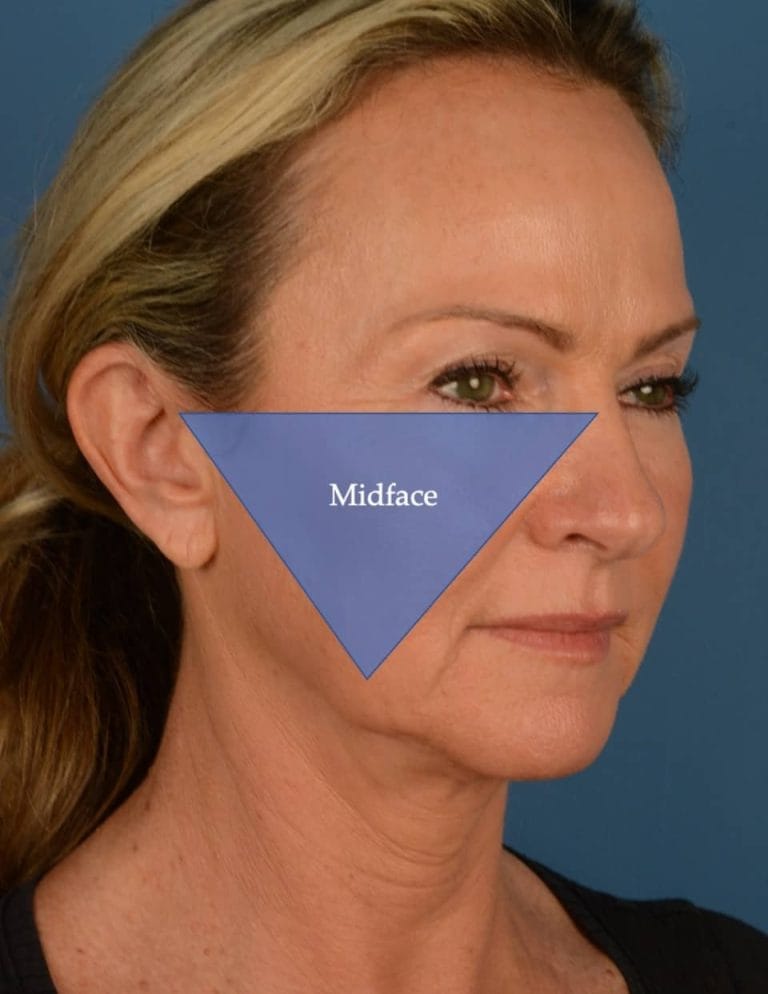
endoscopic midface lift in Istanbul is a cosmetic surgical procedure that targets the middle third of the face.
This area includes the cheeks, cheek fat pads, lower eyelid-cheek transition, and soft tissue support around the nasolabial folds.
The word “endoscopic” means the surgeon uses a small surgical camera to view deeper tissues through limited incisions. This approach may allow focused repositioning of the midface tissues while avoiding the longer incision pattern often associated with some traditional facelift techniques.
The goal is not to pull the skin tightly. A well-planned endoscopic midface lift focuses on lifting and supporting deeper cheek tissues, which may create a more rested and natural facial appearance in suitable patients.
How does an endoscopic midface lift in Turkey work?
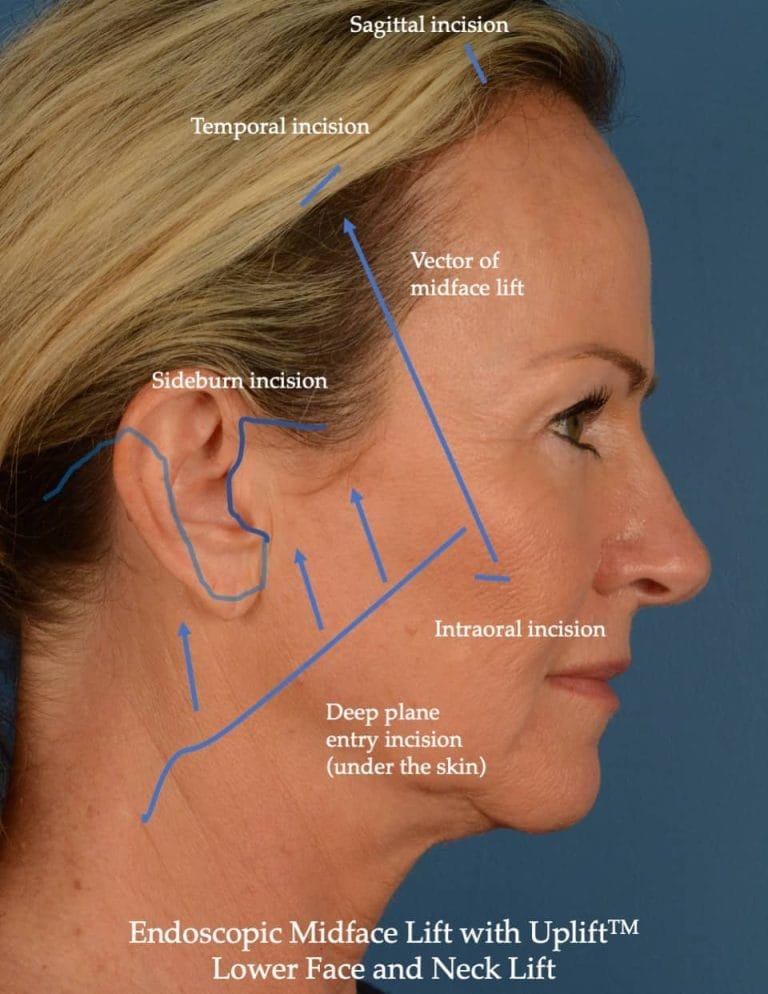
An endoscopic midface lift in Turkey usually works by releasing and repositioning descended soft tissues in the cheek area.
The surgeon may place small incisions in less visible areas, often around the hairline or temple region, depending on the chosen technique and the patient’s anatomy.
Through these access points, the endoscope helps guide the surgical view. The cheek tissues can then be elevated and secured in a higher position. This may improve cheek contour and the transition between the lower eyelid and the cheek in selected cases.
Because every face ages differently, the exact plan should be individualized. Some patients may need only a focused midface lift, while others may be advised to consider eyelid surgery, fat grafting, facelift, neck lift, or nonsurgical options.
Who is a good candidate for an endoscopic cheek lift in Istanbul?
An endoscopic cheek lift in Istanbul may be more suitable when the main concern is cheek descent rather than severe loose skin. It may not be the right standalone option if the patient has heavy jowls, major neck laxity, or concerns mainly caused by skin quality or pigmentation.
| May be suitable | May need another option |
|---|---|
| Sagging cheeks | Severe neck laxity |
| Tired lower-eye transition caused by cheek descent | Heavy jowls or lower-face sagging |
| Mild to moderate nasolabial fold support needs | Main concern is pigmentation, fine lines, or skin texture |
| Good general health and realistic expectations | Uncontrolled medical conditions or healing risks |
| Desire for focused midface rejuvenation | Need for full face and neck rejuvenation |
What concerns can midface lift surgery in Istanbul improve?
A midface lift surgery in Istanbul may improve signs of aging in the middle face when these changes are related to soft tissue descent. It is not designed to correct every concern, but it can be helpful for a focused group of facial aging patterns. Common concerns include:
Sagging cheeks: The cheek tissues may move downward with age, making the face look tired or flat.
Lower eyelid-cheek transition: Lifting cheek support may help soften the hollow or heavy look beneath the eyes in suitable cases.
Midface hollowing: Some patients notice a deflated appearance in the central face.
Nasolabial fold support: Repositioning cheek tissues may soften the fold between the nose and mouth.
Facial contour loss: Restoring cheek position may help the face look more balanced and refreshed.
What is the difference between endoscopic midface lift and traditional facelift?
Traditional facelift and endoscopic midface lift in Istanbul procedures are often compared, but they do not treat the same aging pattern. The right choice depends on where the main facial changes appear.
| Comparison point | Endoscopic midface lift | Traditional facelift |
|---|---|---|
| Main target area | Cheeks, midface, and lower eyelid-cheek transition | Lower face, jawline, jowls, and sometimes neck |
| Common concern | Tired midface, cheek descent, midface hollowing | Jowls, loose lower-face skin, jawline changes |
| Incision approach | Often smaller access points, depending on technique | Usually longer incisions around the ear and hairline |
| Tissue focus | Repositioning cheek and midface support | Lifting deeper lower-face tissues and managing excess skin |
| Recovery pattern | Swelling may focus around cheeks and eyes | Swelling and bruising may involve a wider face and neck area |
| Best discussed for | Selected patients with midface aging | Patients with broader lower-face aging |
What should international patients plan before an endoscopic midface lift in Istanbul?
International patients should plan more than the surgery date. A safer plan includes remote pre-assessment, medical history review, enough time in Istanbul for early recovery, and clear instructions before flying home. A practical planning checklist includes:
Send clear facial photos and medical history before travel.
Discuss previous fillers, threads, facial surgery, or dental procedures.
Share current medications, allergies, smoking status, and health conditions.
Ask how many days you may need to remain in Istanbul after surgery.
Confirm when the first follow-up visit may be needed.
Avoid scheduling work, events, or long travel too soon after surgery.
Keep clinic contact instructions available during recovery.
What is the usual endoscopic midface lift recovery time?
Endoscopic midface lift in Istanbul recovery time varies from person to person. Healing depends on the surgical technique, whether other procedures are combined, the patient’s general health, smoking status, skin response, and adherence to aftercare instructions.
Most patients should expect swelling, bruising, tightness, and temporary changes in sensation during early recovery. These effects are common after facial surgery, but the exact timeline should be discussed with the surgical team.
| Recovery stage | What may happen |
|---|---|
| Days 1–3 | Swelling, bruising, tightness, and rest are commonly expected |
| Days 4–7 | Discomfort may begin to improve, but visible bruising can remain |
| Weeks 1–2 | Some patients may resume light routines if the surgeon allows |
| Weeks 3–6 | Swelling often continues to decrease gradually |
| Months 3–6 | The result may look more settled as tissues continue healing |
How should you prepare before surgery?
Good preparation may reduce avoidable risks and make recovery easier. Before endoscopic midface lift in Istanbul surgery, the medical team should review your health history, medications, allergies, previous procedures, smoking status, and expectations. Important preparation steps include:
Share your full medical history honestly.
Mention previous facial fillers, threads, laser treatments, or surgeries.
Tell the team about medications, supplements, and allergies.
Stop smoking if your surgeon advises it, because smoking can affect healing.
Avoid blood-thinning medications or supplements only if instructed by a doctor.
Arrange help for the first days after surgery.
Prepare comfortable clothing, soft foods, and a calm recovery space.
Ask about anesthesia, incision placement, aftercare, and warning signs.
What are the possible risks and warning signs?
Every surgery has risks. Endoscopic midface lift surgery may involve swelling, bruising, tightness, temporary numbness, scarring, infection, bleeding, asymmetry, delayed healing, hairline changes near incisions, or altered skin sensation.
Less common but more serious risks may include hematoma, nerve-related issues, anesthesia-related complications, or poor wound healing. These risks do not mean the procedure is unsafe for every patient, but they show why proper assessment and aftercare matter.
What affects the cost of endoscopic facial rejuvenation in Istanbul?
The cost of endoscopic facial rejuvenation in Istanbul can vary because facial rejuvenation is not one fixed procedure. A focused endoscopic midface lift is different from a full facelift, neck lift, eyelid surgery, fat transfer, or combined surgical plan. Several factors may affect the final cost:
Procedure type: Midface lift only differs from combined face and neck surgery.
Surgical complexity: More complex cases may require more operating time.
Anesthesia needs: The type and duration of anesthesia can affect planning.
Overnight stay: Whether an overnight stay is needed may vary.
Medical tests: Preoperative assessments may be needed for safety.
Aftercare plan: Follow-up visits and recovery monitoring may be structured differently.
Travel logistics: International patients may also need accommodation and local support.
Why choose ClinMedica for an endoscopic midface lift consultation?
ClinMedica may be considered by patients who want a consultation-based approach to endoscopic midface lift in Istanbul. The decision should be based on facial anatomy, aging pattern, medical history, expectations, and recovery planning.
The consultation should help determine whether the issue is caused by sagging tissue, volume loss, loose skin, or another factor. This distinction matters because the wrong procedure may lead to limited improvement or unrealistic expectations. A responsible consultation can help you understand:
Whether your concern matches the purpose of an endoscopic midface lift
Whether another procedure may be more appropriate
Whether a combined plan should be discussed
What risks and aftercare instructions apply to your case
What questions to ask before confirming surgery
Questions about endoscopic midface lift in Istanbul
What is an endoscopic midface lift?
An endoscopic midface lift is a surgical procedure that lifts and repositions soft tissues in the cheek and midface area through smaller access points, using an endoscope for surgical visualization. It may help suitable patients improve cheek descent, midface hollowing, and a tired lower-eye appearance. It should be planned after medical assessment.
How is an endoscopic midface lift different from a full facelift?
An endoscopic midface lift mainly targets the cheeks and lower eyelid-cheek transition. A full facelift usually focuses more on the lower face, jawline, jowls, and sometimes the neck. Some patients need one procedure, while others may need a combined plan. The best option depends on anatomy and goals.
How long is endoscopic midface lift recovery time?
Recovery time varies, but swelling and bruising are commonly expected during the first one to two weeks. Some patients may return to light routines after early healing if approved by the surgeon. Final refinement can take longer as swelling gradually settles. Worsening pain, fever, bleeding, or sudden swelling should be checked promptly.
Can this procedure improve under-eye tiredness?
It may help selected patients when the tired lower-eye appearance is partly caused by cheek descent or weak lower eyelid-cheek support. However, dark circles, pigmentation, under-eye bags, or skin thinning may need different treatments. A consultation is necessary to identify the real cause before choosing surgery.
Is an endoscopic midface lift suitable for severe skin sagging?
An endoscopic midface lift may not be enough for severe lower-face or neck sagging. Patients with heavy jowls, major neck laxity, or significant excess skin may need a traditional facelift, neck lift, or another surgical plan. Choosing the procedure should depend on examination, not only on preference.
In Summary: consider endoscopic midface lift in Istanbul
In the end, endoscopic midface lift in Istanbul may help suitable patients improve cheek descent, midface hollowing, and a tired lower-eye transition when these concerns are caused by soft tissue sagging. Choose the procedure based on anatomy, not trend names.
Confirm whether your concern is sagging tissue, volume loss, or skin laxity.
Discuss recovery time before planning international travel.
Ask what is included in the treatment and cost discussion.
Watch for warning signs after surgery and seek help early.
To understand whether this procedure fits your facial structure and goals, book a consultation with ClinMedica and request a personalized medical assessment.
Medical Disclaimer:
This article was medically reviewed by our surgeons at ClinMedica, including our medical staff. It is intended for informational purposes only and does not replace a professional medical consultation.
Learn more about how we create and review our content by visiting our Content Policy.
What it costs at ClinMedica
An endoscopic midface lift costs €4,200 at ClinMedica. The package includes the doctor's consultation, 1 night under medical observation after the operation, 6 nights' stay in Istanbul, the medicines for recovery, transportation, the compression garment and a translator. Every procedure price is on the plastic surgery price list.