

Composite fillings are a popular choice in cosmetic and restorative dentistry. They offer a blend of aesthetic appeal and functionality. If you’re considering composite fillings in Turkey, understanding the procedure, benefits, and expectations can help you make an informed decision. This article covers everything you need to know about composite fillings and why they might be ideal for your dental health and dental Treatment in Turkey.
What Are Composite Fillings?
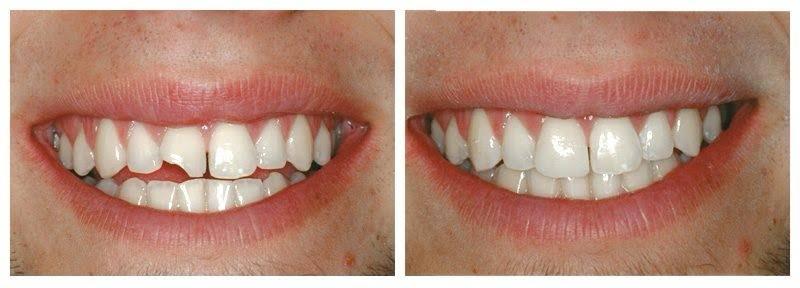
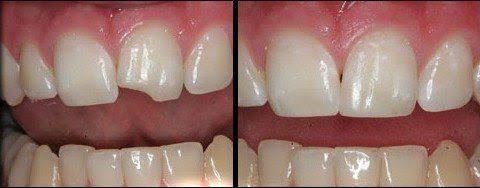
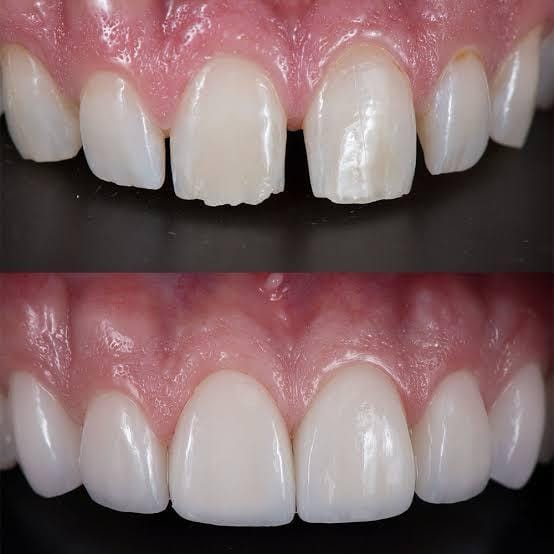
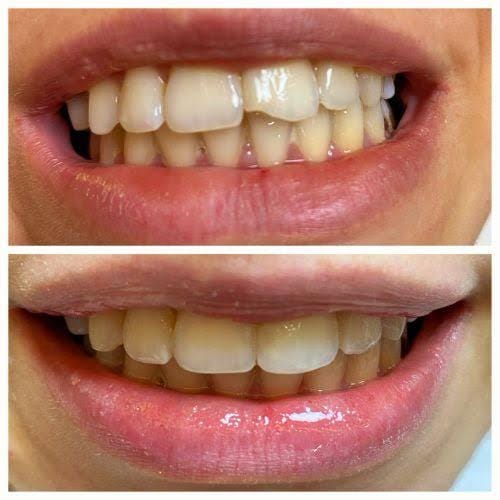
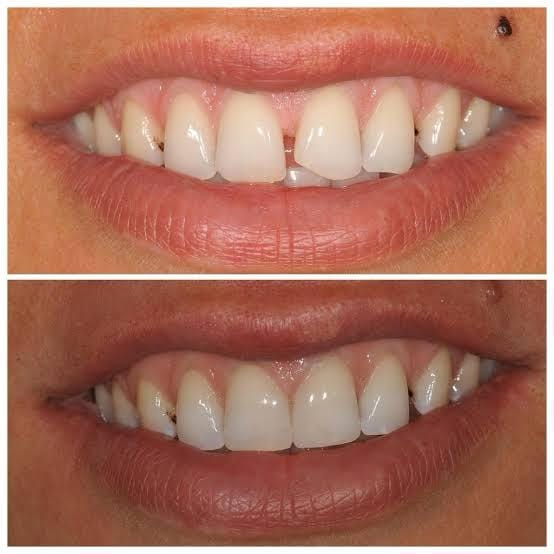
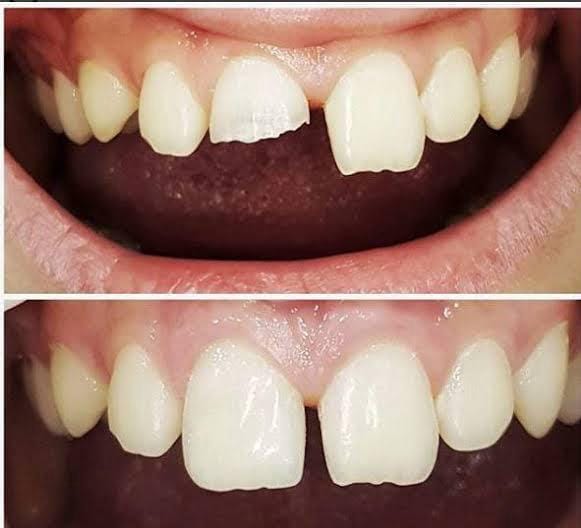
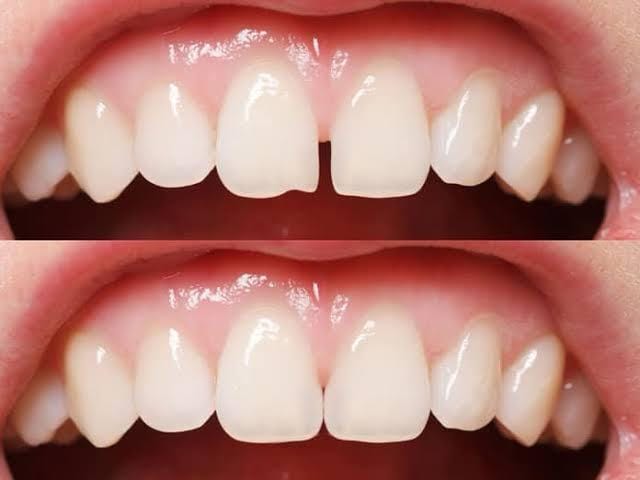
Composite fillings restore teeth by repairing cavities, chips, and minor fractures with a tooth-colored material. A mixture of resin and fine glass particles creates a strong, durable filling that closely resembles your natural tooth appearance. Unlike metal fillings, composite fillings match your tooth’s shade, making them virtually invisible and ideal for areas visible in your smile
The Advantages of Composite Fillings
The process for a composite filling is straightforward and usually takes one dental visit. Here’s what to expect:
- Initial Examination: Your dentist examines your teeth and may take X-rays to check the decay or damage.
- Local Anesthesia: The dentist numbs the area around the affected tooth to ensure a pain-free experience.
- Decay Removal: They carefully remove the decayed or damaged part, creating a clean surface for the filling.
- Filling Application: The dentist applies the composite resin in layers. A curing light hardens each layer for durability.
- Shaping and Polishing: Finally, the dentist shapes the filling to fit your bite and polishes it for a natural look.

The Composite Filling Procedure – Step-by-Step Guide
The process of getting a composite filling is straightforward and typically completed in one dental visit. Here’s what you can expect during the procedure:
- Initial Examination: The dentist will first examine your teeth and may take X-rays to assess the extent of the decay or damage.
- Local Anesthesia: To ensure a pain-free experience, a local anesthetic will be administered to numb the area around the affected tooth.
- Decay Removal: The decayed or damaged portion of the tooth is carefully removed, leaving a clean surface for the filling.
- Filling Application: The composite resin is applied in layers, with each layer being hardened using a special curing light. This ensures a strong, durable bond.
- Shaping and Polishing: Once the filling is in place, the dentist will shape it to match your bite and polish it for a smooth, natural appearance.
Post-Procedure Care: Tips for Long-Lasting Results
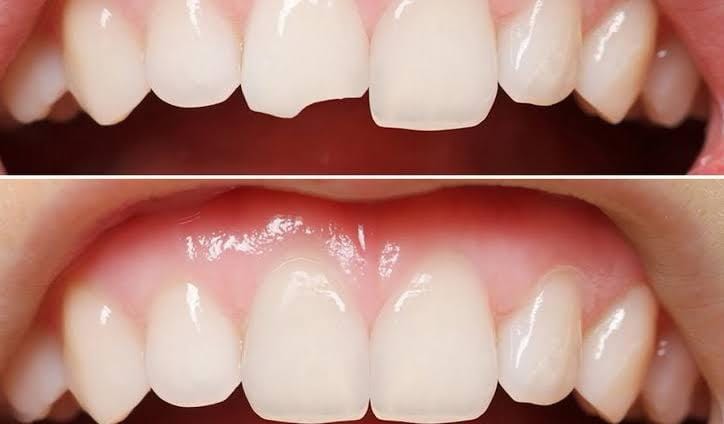
After getting a composite filling, following good oral hygiene practices is essential for maintaining the integrity of the restoration:
- Avoid Hard Foods Initially: For the first 24 hours, try to avoid chewing on hard or sticky foods that may damage the new filling.
- Brush and Floss Regularly: Maintain a good oral hygiene routine by brushing twice daily and flossing to prevent future decay.
- Watch for Sensitivity: You may experience some sensitivity to hot or cold foods initially. This should subside within a few days.
- Regular Dental Check-Ups: Schedule routine dental visits for cleanings and examinations to monitor the condition of the filling and overall oral health.
Composite Fillings vs. Traditional Amalgam Fillings
| Feature | Composite Fillings | Amalgam Fillings |
|---|---|---|
| Appearance | Tooth-colored, blends in naturally | Silver, noticeable in the mouth |
| Durability | 3-5 years with good care | 5-8 years but may discolor the tooth |
| Preservation of Tooth | Minimal removal of healthy tooth | Requires more drilling |
| Material | Resin and glass particles | Contains mercury and metal alloys |
| Safety | Mercury-free, biocompatible | Contains mercury, raising concerns for some patients |
How Long Do Composite Fillings Last?
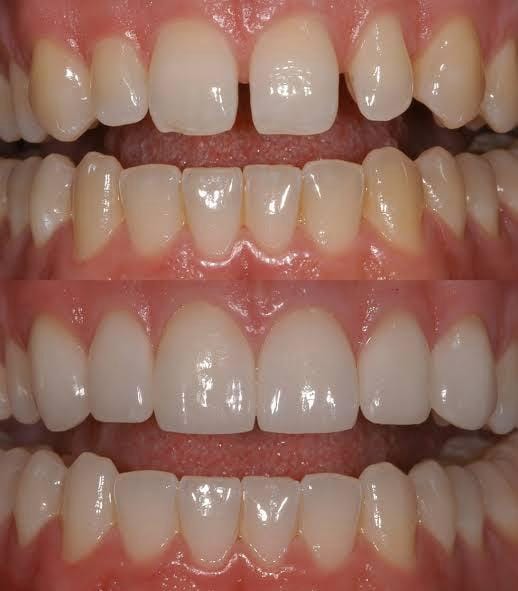
With proper care, composite fillings can last between 5 to 10 years. Factors like the location of the filling, your oral hygiene habits, and diet can affect their lifespan. Regular dental check-ups and good oral hygiene practices can help extend the life of your composite fillings.
Why Get Composite Fillings in Turkey?
Turkey has become a preferred destination for dental treatments, including composite fillings, due to its combination of high-quality care, experienced dentists, and affordable pricing. Here’s why Turkey stands out:
- Expertise in Cosmetic Dentistry: Turkish dentists are well-regarded for their skills in cosmetic and restorative dentistry, ensuring top-notch results.
- Same-Day Treatment: A composite filling is shaped and cured in a single visit, with hard foods avoided for the first 24 hours.
- Cost-Effective Treatment: Patients can save up to 50-70% on dental treatments compared to prices in Europe or the USA, without compromising on quality.
Tips for International Patients Traveling for Composite Fillings
If you are planning to travel to Turkey for dental treatments, follow these tips for a smooth experience:
- Consultation and Planning: Contact the clinic beforehand to discuss your dental needs and book an appointment in advance.
- Bring Your Dental Records: Having your dental history can help the dentist make informed decisions about your treatment plan.
- Consider a Companion: While the procedure is straightforward, having a companion can provide additional support during your visit.
Final Thoughts: on Composite Fillings
Composite fillings offer an excellent solution for restoring the function and appearance of your teeth and dental Treatment in Turkey. They are safe, durable, and blend seamlessly with your natural smile. Choosing to get your composite fillings in Turkey can provide high-quality treatment at a fraction of the cost, making it a wise choice for international patients.
For more details on composite fillings or to schedule a consultation, contact ClinMedica today. Our experienced team is ready to assist you on your journey to a healthier, brighter smile.
What are composite fillings made of and why are they used?
Composite fillings are made from a mixture of plastic (resin) and fine glass particles. They are the most popular choice for restoring teeth damaged by small to medium cavities because they can be colored to match your natural teeth, offering a highly esthetic and virtually invisible repair.
How long do composite fillings last and what affects their lifespan?
On average, composite fillings last between 5 and 7 years, though they can last longer with excellent care. Their lifespan is affected by factors like the size of the filling, the patient’s diet (less sugar/acid is better), how well they brush and floss, and whether they grind their teeth (bruxism).
Do composite fillings require special care or maintenance?
Composite fillings require the same excellent care as natural teeth: brushing twice daily with fluoride toothpaste, flossing every day, and regular checkups. A key difference is that they can stain more easily than natural enamel, so limiting dark beverages like coffee, tea, and red wine is recommended.
Is the process of getting a composite filling painful?
The procedure for placing a composite filling is typically not painful. The dentist will usually apply a local anesthetic to numb the area. After the anesthetic wears off, you might feel some mild sensitivity to hot or cold for a few days, but this is normal and temporary.
What is the difference between composite and amalgam (silver) fillings?
The main difference is aesthetics and material. Amalgam (silver) fillings are a mixture of metals and are very durable but highly visible. Composite fillings are made of resin and glass, are bonded to the tooth structure, and are color-matched to blend in seamlessly. Composite fillings also require less removal of healthy tooth structure.
Medical Disclaimer:
This article was medically reviewed by our surgeons at ClinMedica, including our medical staff. It is intended for informational purposes only and does not replace a professional medical consultation.
Learn more about how we create and review our content by visiting our Content Policy.
What it costs at ClinMedica
A composite filling costs from €150 to €250 per tooth at ClinMedica, depending on the type of filling (normal or cosmetic). All dental prices are on the dental price list.