
Ponytail facelift in Turkey may be suitable for people who want a fresher, gently lifted facial appearance without the more visible incision pattern often associated with a traditional facelift. The procedure is designed to lift selected facial tissues in an upward direction, which may help soften early sagging around the jawline, cheeks, and mid-face.
At ClinMedica, the focus is on careful assessment, realistic expectations, and choosing the right facial rejuvenation approach for each person. If you are considering a ponytail lift option, a consultation can help clarify whether this technique matches your skin quality, age-related changes, and aesthetic goals.
What is Ponytail Facelift in Turkey?
A ponytail facelift is a facial rejuvenation procedure that aims to create a lifted, refreshed look with small, discreet incisions that are usually hidden behind or around hair- bearing and the ear areas. The name comes from the upward lifting effect that can resemble the subtle facial tension created when the hair is pulled into a high ponytail.
Unlike a full traditional facelift, this technique is often suitable for people with earlier signs of aging rather than severe facial and neck sagging. It can help improve mild cheek descent, early jowling, and a tired lower-face appearance while preserving a natural facial expression.
How Does a Ponytail Lift in Istanbul Work?
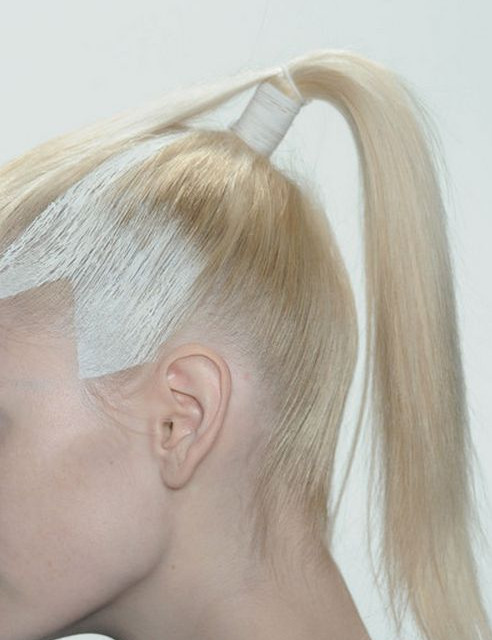
The ponytail lift in Istanbul works by lifting facial tissues in a more vertical direction. This approach may help restore a smoother transition between the cheeks, jawline, and lower face without relying on aggressive horizontal pulling. A typical treatment plan may include:
Assessment: reviewing facial structure, skin elasticity, medical history, and expectations.
Planning: choosing incision placement and identifying the areas that need lift.
Anesthesia: selecting the safest anesthesia option based on your surgical plan.
Tissue lifting: repositioning selected facial tissues in a natural upward direction.
Closure: closing incisions carefully to support discreet healing.
Aftercare: following recovery instructions and scheduled follow-up guidance.
Why Choose a Ponytail Facelift in Turkey Option Instead of a Traditional Facelift?
Many patients compare a ponytail facelift in Turkey option with a traditional facelift because both aim to reduce visible aging. The main difference is usually the degree of correction, incision pattern, recovery expectations, and the type of aging each technique can address.
A ponytail facelift may be more appealing for people who want a lighter, more discreet lift. However, patients with significant skin laxity, heavy jowls, or advanced neck sagging may need another approach, such as a deep plane facelift or a more comprehensive face and neck lift.
| Comparison point | Ponytail facelift | Traditional facelift | Deep plane facelift |
|---|---|---|---|
| Main goal | Subtle lift and refreshed appearance | Broader facial and lower-face rejuvenation | Deeper tissue repositioning for more advanced aging |
| Commonly suitable for | Mild to moderate sagging | Moderate to advanced sagging | Moderate to significant facial descent |
| Incisions | Usually smaller and more hidden | Often longer around the ear and hairline | Varies by surgeon and case |
| Neck correction | Limited unless combined with other methods | Often stronger neck and jowl correction | May improve deeper facial support |
| Recovery | May be shorter in selected cases | Usually longer than lighter techniques | Depends on extent of surgery |
| Best decision factor | Skin elasticity and subtle goals | Need for broader correction | Deeper tissue aging pattern |
What Concerns Can a Ponytail Facelift Surgery in Istanbul Improve?
A ponytail facelift surgery in Istanbul may help patients who notice early facial aging but do not yet need a full facelift. It is often considered when the face looks slightly tired, the cheeks have started to descend, or the jawline has lost some definition. It may help improve:
Mild cheek drooping that affects facial freshness.
Early jowls along the lower face.
Soft jawline definition caused by mild tissue descent.
Tired mid-face appearance in selected patients.
Minor skin laxity when elasticity is still reasonably good.
Visible aging with hair-up styles when incision placement is a concern.
Are You a Good Candidate for a Ponytail Facelift Procedure?
A suitable candidate for ponytail facelift procedure usually has mild to moderate facial sagging, reasonable skin elasticity, and a preference for natural-looking improvement. Many suitable patients are looking for refinement rather than a major facial transformation. You may be a candidate if you:
Have early sagging around the cheeks, jawline, or lower face.
Prefer hidden or less visible incision placement when possible.
Want a refreshed look without an overly tight appearance.
Understand that surgery has risks and needs proper recovery.
Can follow aftercare instructions and attend follow-up appointments.
What Happens During the Ponytail Face Lift in Istanbul Procedure?
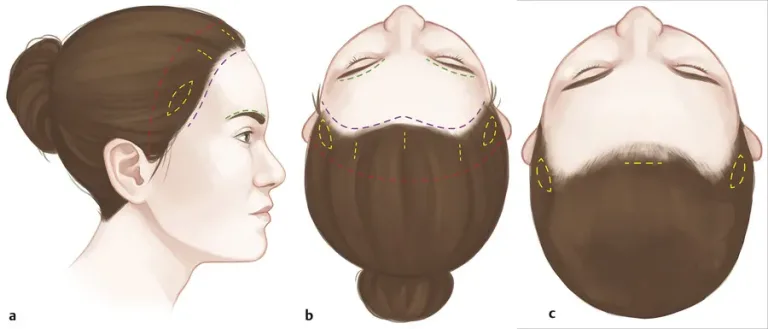
The ponytail face lift in Istanbul procedure begins with marking and preparation based on the surgical plan. The surgeon places small incisions in precise areas, then lifts and repositions selected tissues to create a more supported facial contour. Any excess skin may be adjusted carefully to avoid an overly tight look.
The details can vary from one patient to another. Some cases may be performed with a lighter surgical plan, while others may need additional procedures to improve harmony. For example, some patients may also discuss eyelid surgery, neck treatment, or skin-quality procedures, but these should only be recommended after direct evaluation.
Recovery After Ponytail Facelift in Turkey
Recovery after a ponytail facelift in Turkey is usually gradual.
Swelling, bruising, tightness, and mild discomfort may occur during the first days. These effects often improve with time, but each person heals differently.
Many patients may return to lighter daily routines earlier than with more extensive facelift procedures. However, this depends on the surgical extent, personal healing, work type, and the surgeon’s instructions.
Strenuous exercise, heat exposure, smoking, and pressure on the healing areas may need to be avoided for a period of time.
Seek medical advice immediately if you develop severe pain, heavy bleeding, fever, chest pain, shortness of breath, one-sided facial weakness, worsening redness, pus-like discharge, or sudden swelling.
What Affects the Ponytail Facelift Cost in Turkey?
The cost of a ponytail facelift in Turkey can vary because the procedure is not identical for every patient. A simple price without examination may be misleading, especially when the surgical plan depends on facial anatomy and treatment scope. Factors that may affect cost include:
Case complexity: mild tissue descent may require a different plan than stronger sagging.
Surgical extent: treating only selected areas differs from combined facial procedures.
Anesthesia choice: local anesthesia, sedation, or general anesthesia may affect planning.
Follow-up needs: postoperative support can influence the overall treatment experience.
Questions About Ponytail Facelift in Istanbul
What is a ponytail facelift?
A ponytail facelift is a surgical facial rejuvenation technique that aims to lift selected facial tissues upward through discreet incisions. It may help improve mild sagging in the cheeks, jawline, and mid-face.
Is a ponytail facelift the same as a mini facelift?
Not exactly. Both may be less extensive than a full facelift, but the terms can vary between surgeons and clinics. A ponytail facelift often emphasizes hidden incisions and a vertical lifting effect. A mini facelift may focus more on the lower face and jowls. The right choice depends on your anatomy and goals.
Will scars be visible when I wear my hair up?
The technique is designed to place incisions in discreet areas, often around or behind the ear and hair-bearing regions. However, no surgery is completely scar-free. Scar visibility depends on incision placement, skin healing, surgical technique, aftercare, and personal scarring tendency.
How long does recovery usually take?
Recovery varies by patient and surgical extent. Some people may feel comfortable with light activities within days, while swelling and bruising can take longer to settle. More complete healing and final refinement may take weeks to months. Follow your surgeon’s instructions and avoid rushing strenuous activity.
How long can ponytail facelift results last?
Results vary based on age, skin quality, lifestyle, sun exposure, weight changes, and natural aging. A ponytail facelift may refresh the face, but it does not stop the aging process. Maintaining skin health and attending follow-up visits may help support longer-lasting satisfaction.
Is ponytail lift suitable for older patients?
It may be suitable for some older patients with good skin elasticity and limited sagging, but it is often discussed for earlier aging changes. Patients with heavier jowls, loose neck skin, or deeper facial descent may benefit more from a traditional facelift, deep plane facelift, or combined approach.
In Summary: Ponytail Facelift in Turkey is Helpful
In the end, ponytail facelift in Turkey might be a helpful option if you want a subtle, natural-looking lift with more discreet incision placement, but safety and suitability should come before the procedure name. Recognized patient guidance indicates that facelift recovery may take weeks, and final results can continue settling for months, so planning matters.
Assess your skin elasticity
Compare facelift types
Ask about risks
Plan recovery carefully
To make an informed choice, book a consultation with ClinMedica and discuss the safest option for your face.
Medical Disclaimer:
This article was medically reviewed by our surgeons at ClinMedica, including our medical staff. It is intended for informational purposes only and does not replace a professional medical consultation.
Learn more about how we create and review our content by visiting our Content Policy.
What it costs at ClinMedica
A ponytail facelift costs €6,700 at ClinMedica. The package includes the doctor's consultation, 1 night under medical observation after the operation, 6 nights' stay in Istanbul, the medicines for recovery, transportation and a translator. Every procedure price is on the plastic surgery price list.