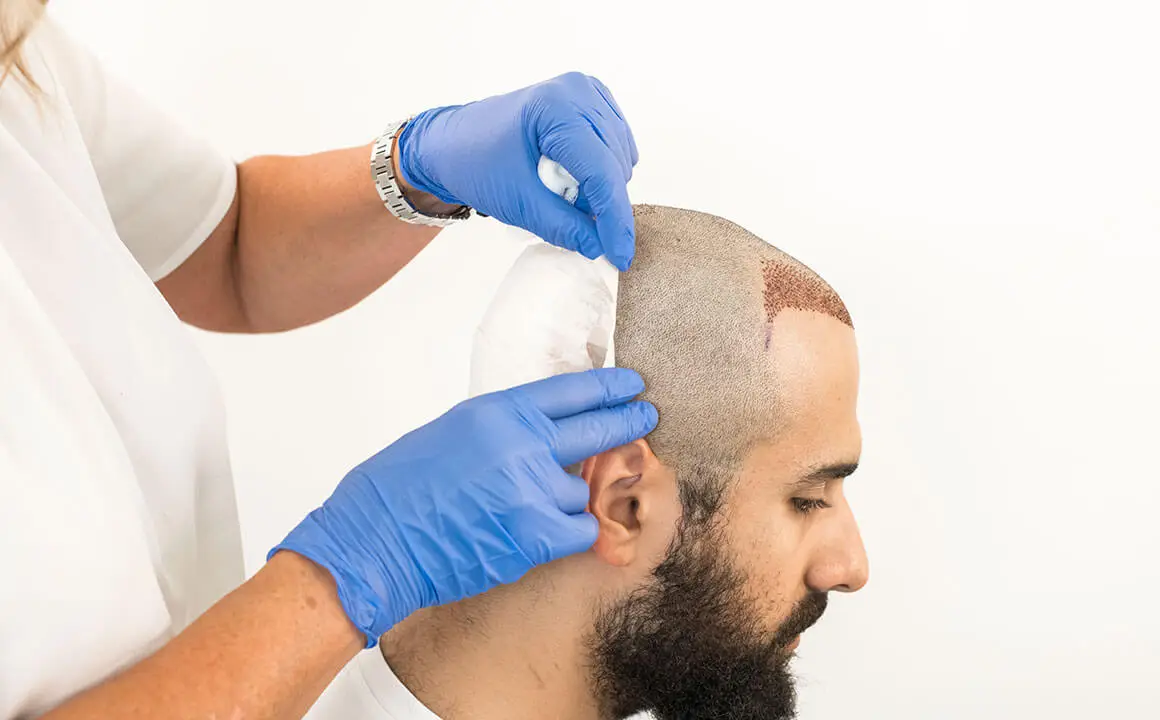
Navigating the journey of a pre and post hair transplant in Istanbul, Turkey requires a blend of surgical precision and disciplined personal care. At clinmedica, we believe that a successful hair restoration is a collaborative effort between the medical team and the patient. While the surgery creates the foundation, the hair transplant preparation and recovery determine the longevity and density of the final results.
This guide sets out what happens before, during and after a hair transplant, and when each stage of regrowth is due. By understanding the biological phases of hair growth and adhering to safety-first guidelines, patients can approach their procedure with confidence and clarity.
What are the 11-Step Hair Transplant Journey in Istanbul?
Knowing the order things happen in takes some of the uncertainty out of the day. This structured roadmap covers the transition from your initial inquiry to long-term monitoring.
Online Consultation: A preliminary review of your scalp photos and medical history.
Graft Estimation: Medical experts calculate the required density for your specific hair loss pattern.
Travel Coordination: Finalizing arrival dates and local logistics in Istanbul.
Clinical Reception: On-site blood tests (Infectious diseases and hair loss causes).
Technical Mapping: The surgeon outlines the new hairline and donor zones.
Local Anesthesia: Administered to ensure the procedure remains comfortable.
Follicular Extraction: Harvesting grafts using precision micro-punches (0.7mm–0.9mm).
Channel Opening: Creating recipient site using specialized Sapphire blades.
Implantation: Carefully placing follicles to match natural exit angles.
Guided First Wash: Clinical cleaning and bandage removal 24 hours later.
Remote Monitoring: Regular photo updates and follow-ups for 12–18 months.
Pre-Operative Surgery Guidelines
The health of your scalp environment starts weeks before you enter the clinic. Proper preparation reduces the risk of excessive bleeding and ensures that the local anesthesia is fully effective.
Lifestyle and Substance Management
Certain substances act as vasodilators or blood thinners, which may complicate the surgery.
Alcohol: Avoid all alcoholic beverages for at least seven days before the procedure.
Smoking: Nicotine constricts blood vessels, potentially reducing oxygen flow to new grafts. It is recommended to stop at least one week prior.
Medications: Consult your primary physician about pausing aspirin or other blood thinners.
Hair Treatments: Discontinue Minoxidil or similar topical solutions at least one week before surgery.
Nutrition on Surgery Day
Since the procedure is performed under local anesthesia, you should eat a nutritious, light breakfast. Avoid caffeine (coffee/tea) as it may increase heart rate or sensitivity. Natural juices are a safer alternative for hydration and energy.
What Happens During the Hair Transplant Procedure?
At ClinMedica, the time a graft spends outside the body is kept short; graft survival typically ranges between 90% and 95%.
The Sapphire FUE Technique Advantage
We utilize the FUE technique enhanced by Sapphire blades. Unlike traditional steel blades, Sapphire tips create cleaner, narrower micro-channels. This reduces tissue trauma and allows for high-density packing, often reaching 40 to 60 grafts per cm² depending on donor capacity.
How Grafts Are Taken From the Scalp
Grafts are extracted individually using torque-controlled micro-punches (0.7mm to 0.8mm for fine hair; 0.9mm for thicker units). This minimize scarring in the donor area and ensures the “follicular units” remains intact with its necessary protective tissue.
Why You Must Choose Turkey for Hair Restoration?
The decision to choose Istanbul is often driven by the combination of high case volumes and specialized infrastructure.
| Feature | Turkey (Istanbul) | Western Europe / USA |
|---|---|---|
| Average Cost Logic | All-inclusive packages | Per-graft billing (higher total) |
| Typical Savings | Up to 60% – 70% | Baseline high costs |
| Technique Access | Sapphire FUE & DHI standard | Often limited or premium-priced |
| Aftercare Kits | Included in most packages | Often sold separately |
| Licensing | Ministry of Health Licensed | Varies by private clinic |
Critical Aftercare Instructions for hair Restoration and Hygiene
The “Golden Window” for graft survival is the first 10 days post-op. During this time, the follicles are settling into the scalp and are highly vulnerable to displacement.
The Washing Protocol (Starting Day 3)
Foam Application: Apply the moisturizing foam to the transplanted area. Let it sit for 30–45 minutes to soften scalp scabs.
Gentle Rinse: Use warm water with very low pressure. Do not let the shower head hit the grafts directly.
Shampooing: Foam the specialized shampoo in your hands. Dab the foam onto the grafts—never rub or massage the recipient area for the first 10 days.
Drying: Pat very gently with a paper towel. Avoid standard towels as they may snag the grafts.
Sleeping and Physical Protection
Elevation: Sleep on your back with your head elevated at a 45-degree angle for 10 days to reduce swelling.
Neck Pillow: Use a travel-style neck pillow to keep your head stable and prevent accidental rubbing.
Avoid Bumping: Be extremely cautious when entering cars or passing through low doorways.
Lifestyle Restrictions and Safety Timeline
Protecting the scalp from environmental stressors is vital for the maturation of the hair follicles.
Physical Activity: Avoid strenuous exercise (weightlifting, running) for 30 days. Light walking is acceptable after day 4.
Swimming: No pools (chlorine) or sea (salt) for at least one month.
Sun Exposure: UV rays can damage healing tissue. Avoid direct sunlight for two months; wear a loose-fitting hat only after the first 14 days.
Hair Styling: No hair dye for at least 6 months. Scissors-only haircuts are safe after one month; clippers should be avoided for 4–6 months on the transplanted area.
Managing Expectations of Hair Growth Timeline
Hair restoration is a biological process that takes time. Understanding the phases prevents unnecessary worry during the “slow” months.
1–2 Months (Shock Loss): Most transplanted hairs will fall out. This is a normal reaction to the surgery; the roots remain healthy.
3–4 Months (First Sprouts): Fine, thin hairs begin to emerge from the surface.
6–8 Months (Density Boost): Approximately 70% of the growth is visible as hairs thicken and gain texture.
12–18 Months (Final Result): The full density and natural flow are established. The crown area (apex) may take the full 18 months to reach peak results.
10 Years and Beyond of Long-Term Outlook
Transplanted hair is harvested from the “permanent zone” (back and sides), which is genetically resistant to the hormones that cause balding.
Permanence: The transplanted grafts are designed to grow for a lifetime.
Natural Aging: While the transplanted hair remains, your “native” (non-transplanted) hair may continue to thin over time.
Maintenance: Future density updates or non-surgical treatments (like PRP) may be used to maintain the overall look as you age.
Advanced Growth is Supported by AGF-39 & PRP Therapy
To accelerate scalp healing after hair surgery and improve graft diameter, we may utilize supplementary therapies:
Platelet-Rich Plasma (PRP): Uses concentrated growth factors from your own blood to nourish the scalp.
AGF-39 Growth Factors: A targeted vitamin and hormone complex that may stimulate follicles to enter the growth phase faster.
Frequently Asked Questions About Hair Transplant
How many grafts do I actually need?
The number depends on the size of the balding area and your donor hair density. A typical session ranges from 2,500 to 4,500 grafts. A professional 3D analysis is required for an exact count.
Is the hair transplant procedure painful?
Local anesthesia is used to numb the scalp. You may feel slight pressure during the initial injections, but the surgery itself is usually painless.
When can I wear a hat after the procedure?
You should wait at least 14 days before wearing a very loose-fitting cap. Tight hats or helmets should be avoided for a full month to prevent graft compression.
Why is my scalp itchy after the surgery?
Itching is a common sign of skin healing and nerve regeneration. It usually resolves within two weeks. You can use a moisturizing spray or consult your doctor for antihistamine recommendations.
In Summary: You Will Achieve the Best Results with ClinMedica aftercare
In the end, the pre and post hair transplant in Istanbul experience is defined by the quality of care you receive before, during, and after the clinical procedure. By following these evidence-based guidelines, you significantly increase the probability of a dense, natural-looking transformation. At clinmedica, we are committed to providing you with the technical expertise and the long-term support needed for a successful journey.
Adherence to the 10-day washing protocol is mandatory for graft survival.
Patience is required during the “Shock Loss” phase of the first two months.
Regular photo check-ins every 15 days ensure any issues are caught early.
A healthy diet and avoiding smoking will improve the quality of your results.
Ready to see what is possible for your hair? Contact us now for a comprehensive hair analysis and expert graft estimate.
Medical Disclaimer:
This article was medically reviewed by our surgeons at ClinMedica, including our medical staff. It is intended for informational purposes only and does not replace a professional medical consultation.
Learn more about how we create and review our content by visiting our Content Policy.