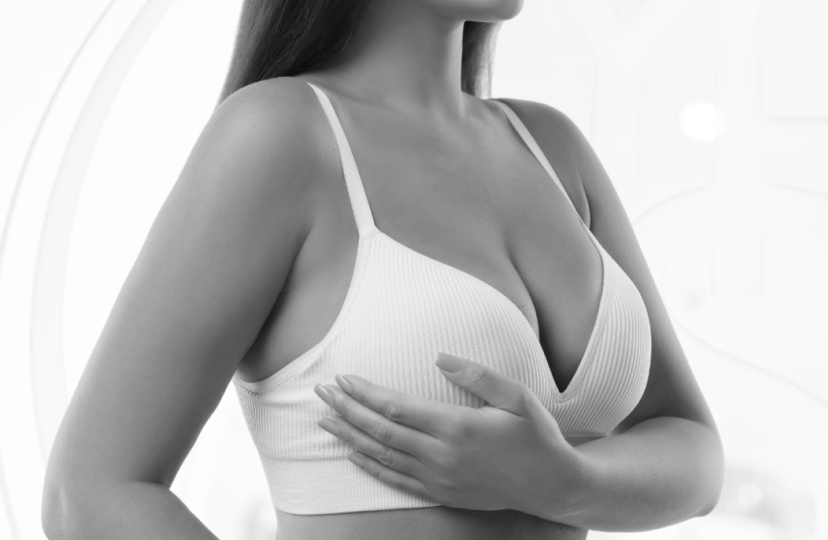
Breast reconstruction in Turkey offers a path for individuals to restore their physical symmetry and emotional well-being following a mastectomy or significant breast injury. This specialized surgery recreates a breast mound that looks and feels as natural as possible, using either high-quality implants or your own living tissue.
At ClinMedica, we prioritize a patient-centered approach, ensuring you have the information and care needed to make an informed decision about your restorative journey. Choosing to undergo reconstructive breast surgery is a deeply personal step toward closing a difficult chapter.
What is Breast Reconstruction in Turkey?
Breast reconstruction in Turkey is a restorative surgical process that recreates the shape, volume, and contour of a breast after it has been removed or altered due to cancer (mastectomy/lumpectomy) or trauma. Unlike a cosmetic breast augmentation, this procedure is often part of a comprehensive medical treatment plan. The goal is to create a breast that matches the remaining natural breast in size and position, or to rebuild both breasts if a bilateral mastectomy was performed.
In today’s advanced medical environment, breast reconstruction in Turkey is recognized for integrating oncological safety with aesthetic precision. Surgeons focus on “Oncoplastic surgery” techniques, meaning they work to ensure the cancer is treated effectively while simultaneously planning for the most symmetrical and natural-looking physical result. This dual focus helps reduce the psychological impact often associated with the loss of a breast.
The Importance Immediate vs. Delayed Timing
The timing of your surgery depends on your overall health and your oncology team’s recommendations.
- Immediate Reconstruction: This occurs during the same operation as the mastectomy. The advantage is that you wake up with a breast mound already in place, which may ease the emotional transition.
- Delayed Reconstruction: This is performed months or even years after the initial surgery. It is often recommended for patients who require post-operative radiation, as radiation can affect how the reconstructed tissue or implant heals.
Key Takeaways for Your Recovery Journey
Understanding the core aspects of the procedure helps in setting realistic expectations. Before diving into the technical details, consider these essential points regarding breast reconstruction in Istanbul:
- Diverse Options: You can choose between synthetic implants (silicone/saline) or autologous tissue (flaps) from your abdomen, back, or thighs.
- Flexible Timing: Surgery can be performed “immediately” during cancer removal or as a “delayed” procedure after you have fully healed.
- Multistage Process: Most reconstructions require 2 to 3 stages to achieve final symmetry and nipple reconstruction.
- Realistic Outcomes: While appearance is restored, sensation often changes; most patients experience numbness that may only partially improve over time.
- Health Requirements: Factors like smoking status, BMI, and previous radiation therapy significantly influence which surgical technique is safest for you.
What are the Primary Techniques for Breast Reconstruction in Istanbul?
When exploring breast reconstruction in Istanbul, you will find that techniques are generally divided into two main categories: using synthetic implants or using your own body’s tissue (flaps). Both methods are highly effective, but the right choice depends on your physical build and medical history.
Our board-certified surgeons analyze your skin quality, donor site availability, and personal preferences to recommend the most suitable path. By understanding these techniques, you can engage more effectively in the decision-making process with your medical team.
Implant-Based Reconstruction
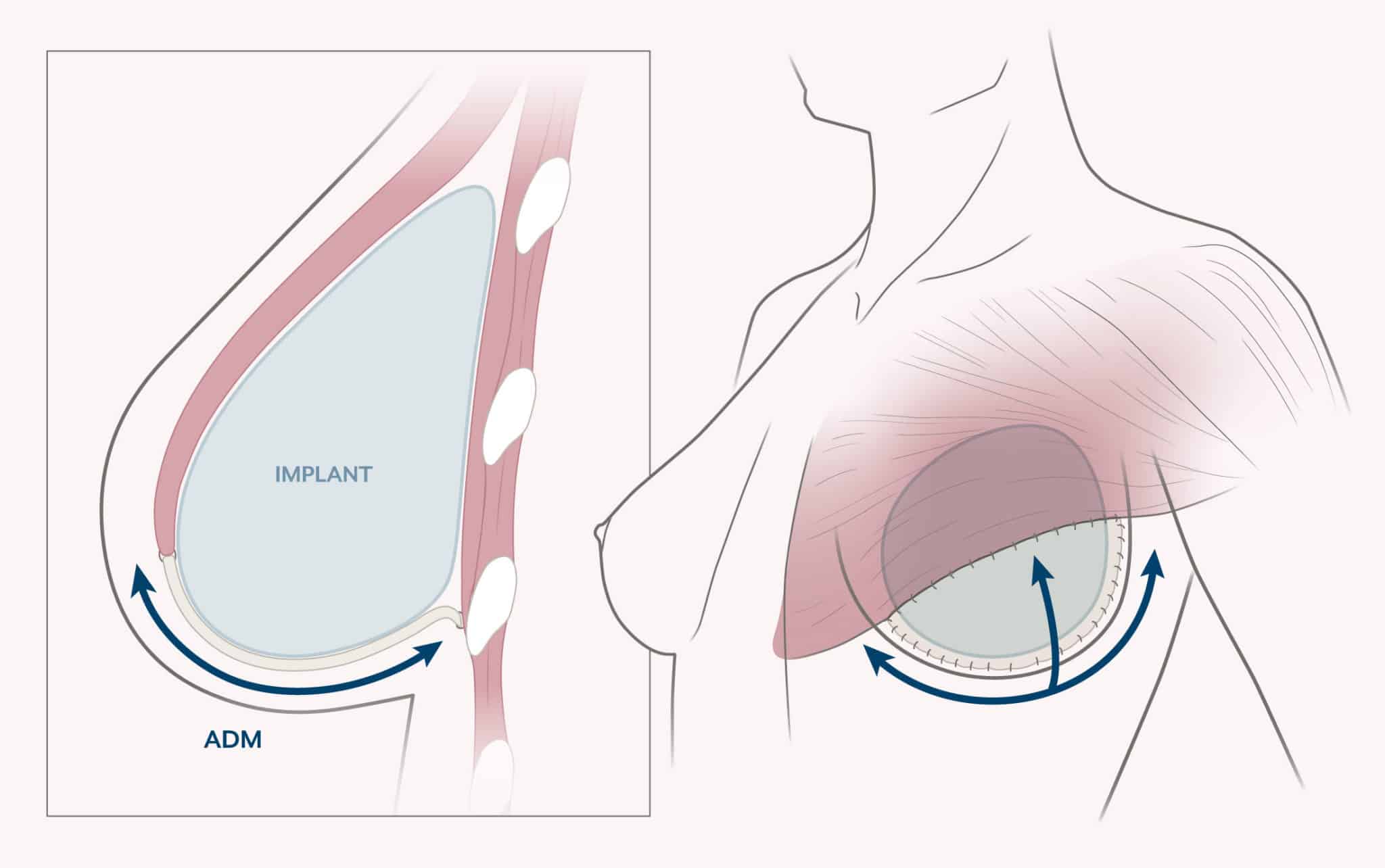
This method involves placing a silicone implants or saline-filled shell under or over the chest muscle to create the breast mound. It is often the preferred choice for patients who want a shorter surgery time and no additional scars on other parts of their body.
- Direct-to-Implant (DTI): If the skin is healthy and sufficient, a permanent implant is placed immediately.
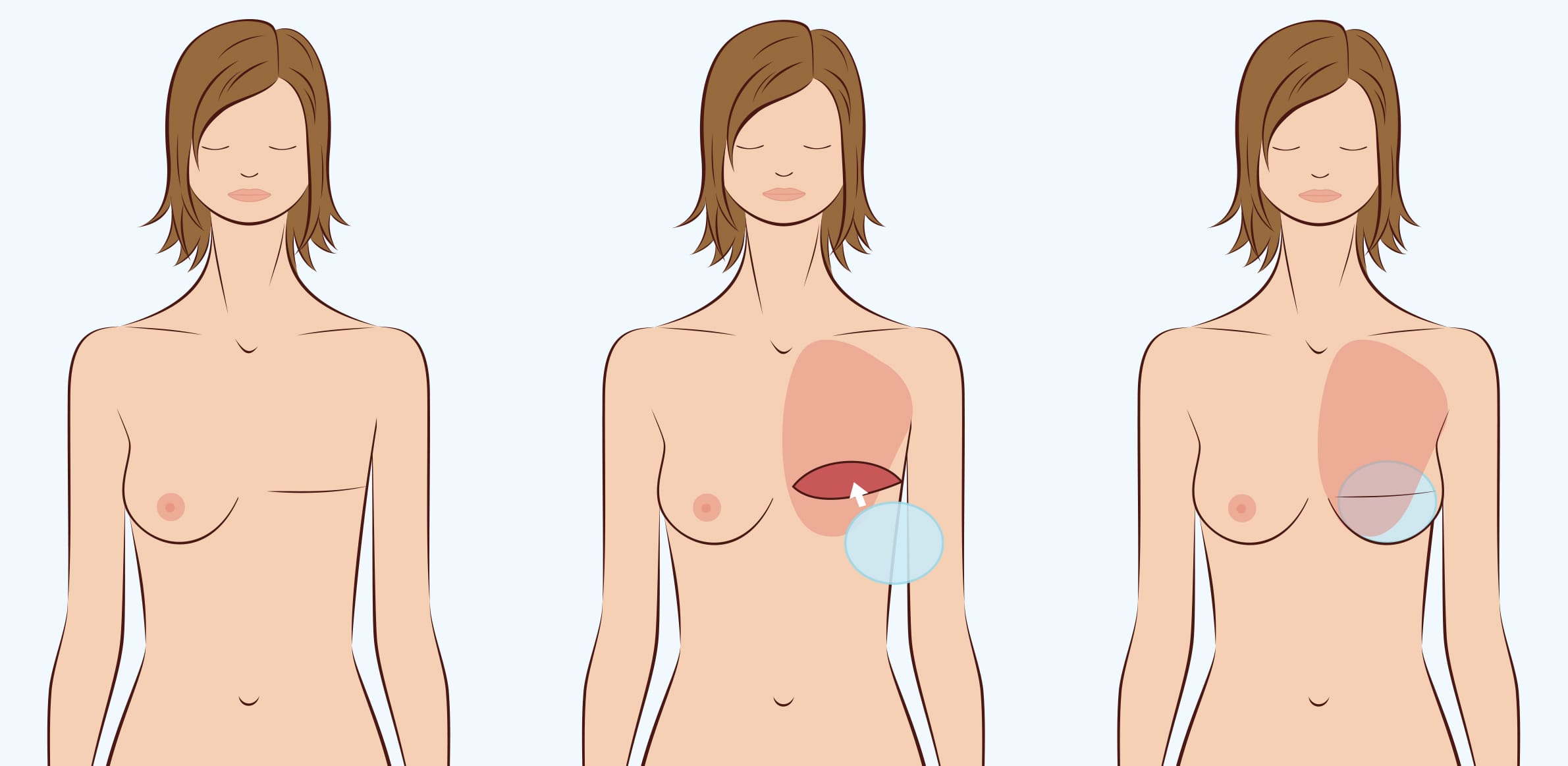
- Tissue Expansion: A temporary expander is placed to gradually stretch the skin over several weeks before a permanent implant is swapped in during a second minor procedure.
Autologous (Flap) Reconstruction
This advanced technique uses a “flap” of skin, fat, and sometimes muscle from another part of your body. Because it uses living tissue, the reconstructed breast often feels softer and ages more naturally with the rest of your body.
- DIEP Flap: This is a gold-standard technique where tissue is taken from the lower abdomen. Unlike older methods, it preserves the abdominal muscle, meaning your core strength remains intact. An added benefit is that the donor site receives a result similar to a “tummy tuck,” leaving the abdomen flatter.
- TRAM Flap: Similar to DIEP but involves moving some abdominal muscle. It is a reliable option for many women.
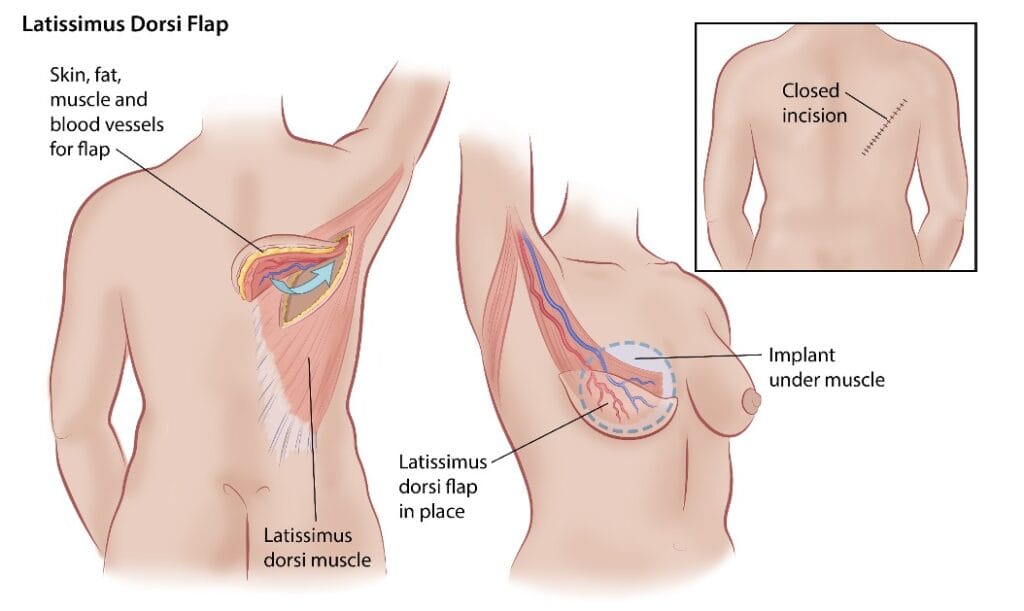
- Latissimus Dorsi (LD) Flap: Tissue is moved from the upper back. This is often used for women with smaller breasts or combined with an implant for added volume.
Comparing Reconstruction Techniques Between Implants vs. Flaps
Each method offers distinct advantages. The following table provides a high-level comparison to help you understand the differences in surgical commitment and long-term feel.
| Feature | Implant-Based Reconstruction | Autologous (Flap) Reconstruction |
|---|---|---|
| Surgery Duration | 2 to 3 hours | 4 to 8 hours |
| Overnight Stay | 1 night | Planned at your consultation |
| Initial Recovery | 3 to 4 weeks | 6 to 8 weeks |
| Long-term Feel | Firm; may feel cooler or less natural | Soft; behaves like natural tissue |
| Donor Site | None | Abdomen, back, or thighs |
| Longevity | Implants may need replacement (10-15 years) | Generally permanent (living tissue) |
| Symmetry | Good; may require “balancing” on the other side | Excellent; ages naturally with the body |
Is Post-Mastectomy Reconstruction Right for You?
Not everyone is a candidate for every type of reconstructive breast surgery. Your safety is paramount, and certain health factors may steer your surgeon toward one technique over another. At ClinMedica, we ensure a thorough screening process to minimize complications and support a healthy mastectomy recovery.
Health and Lifestyle Factors
Your surgeon will evaluate several criteria to determine your candidacy:
- Smoking: Tobacco use significantly restricts blood flow, which is critical for tissue healing. Most surgeons require patients to be nicotine-free for at least 4 to 6 weeks before and after surgery.
- BMI (Body Mass Index): A BMI over 30 may increase the risk of complications in flap surgeries, such as partial tissue loss or delayed wound healing.
- Previous Radiation: If you have had radiation therapy, your skin may be less elastic, making autologous (flap) reconstruction a safer and more durable option than implants.
- Overall Comorbidities: Conditions like uncontrolled diabetes or heart disease must be managed carefully before proceeding with long surgeries.
The Role of BRCA and Prophylactic Surgery
For women who carry the BRCA1 or BRCA2 gene mutations, a prophylactic (preventative) mastectomy is often a life-saving choice. In these cases, immediate breast reconstruction in Turkey is a standard part of the care plan. This proactive approach allows women to reduce their cancer risk by up to 90% while maintaining their body image and physical identity.
The 3-Phase Reconstructive Process
Breast mound reconstruction is rarely a single-step event. It is a journey that often requires multiple stages to achieve the most balanced and aesthetically pleasing results. This staged approach allows the tissues to heal and settle before final refinements are made.
Phase 1: The Foundation
This is the primary surgery where the breast mound is created. Whether it is a flap transfer or the placement of an implant/expander, the focus is on establishing the volume and shape. This is the most intensive phase and requires the longest recovery time in Istanbul.
Phase 2: Symmetry and Refinement
Approximately 3 to 6 months after the first stage, a second procedure is often performed. This may involve replacing a tissue expander with a permanent implant or performing a breast lift (mastopexy) or reduction on the unaffected breast to ensure both sides match. Fat grafting may also be used here to soften edges and improve contour.
Phase 3: Nipple and Areola Reconstruction
The final touch involves recreating the nipple and areola. This is usually a minor, outpatient procedure. The nipple is shaped using local skin flaps, and the color is restored through medical tattooing (micropigmentation) about 6 weeks later. This stage is vital for restoring a natural appearance in clothing and swimwear.
Recovery and Post-Operative Care
Recovery from breast reconstruction in Turkey requires a commitment to rest and a slow return to activity. Following your surgeon’s instructions is the best way to ensure the longevity of your results and prevent complications such as infection or seroma (fluid buildup).
Immediate Post-Op Guidelines
For the first few weeks, you should focus on healing from surgical breast restoration:
- Drainage Management: You will likely have small tubes (drains) to remove excess fluid. These are usually removed within 7 to 14 days.
- Supportive Garments: You must wear a specialized post-surgical bra or a soft sports bra 24/7 for at least 4 to 6 weeks. This supports the new breast and reduces swelling.
- Movement: While heavy lifting and strenuous exercise are prohibited for 6 weeks, gentle walking is encouraged early on to promote healthy blood circulation.
- Pain Management: Discomfort is normal. Your team will provide a prescription plan to manage pain effectively during the first week.
Life After Reconstruction with a Long-Term Expectations
Living with a reconstructed breast involves minor adjustments to your health routine. While the results are designed to be long-lasting, staying informed about your body’s changes is essential for maintaining your health and the integrity of the surgery.
Sensation and Feeling
It is important to have realistic expectations regarding sensation. Because the original nerves are often severed during a mastectomy, the reconstructed breast will likely feel numb. Over time, some surface sensation may return, but it will not feel the same as a natural breast.
Mammograms and Screenings
If you still have breast tissue or have a high-risk profile, regular screenings remain necessary.
- Inform Your Technician: If you have an implant, always tell the radiology technician. They will use “displacement views” to ensure the implant does not hide any underlying tissue during a mammogram.
- Flap Monitoring: For those with autologous tissue, the reconstructed breast can often be screened through clinical exams and ultrasound or MRI if needed.
The Durability of Results
Autologous tissue reconstruction (flaps) is generally considered a permanent solution that ages naturally with you. However, silicone or saline implants are not “lifetime devices.” While they are highly durable, they may require replacement after 10 to 15 years due to natural wear, capsular contracture (scar tissue), or changes in your body weight.
Common Questions About Breast Reconstruction
How long do I need to stay in Istanbul?
Most patients should plan to stay in Istanbul for 4 nights. This allows time for the initial surgery, one night under medical observation, and a follow-up visit to check the incisions before you fly home.
Can I choose my breast size?
Within the limits of your skin elasticity and donor tissue availability, yes. Your surgeon will discuss your goals and help you choose a size that is proportional to your frame and matches the other breast for symmetry.
Will the scars be very visible?
Scars are an inevitable part of surgery, but they fade significantly over time. Surgeons in Istanbul are skilled at placing incisions in discreet locations, such as along the natural crease of the breast or the bikini line (for abdominal flaps), where they can be hidden by clothing.
In Summary: Restore Your Confidence with Breast Reconstruction in Turkey
In the end, choosing breast reconstruction in Turkey is a powerful decision to prioritize your quality of life and physical recovery. This journey is about more than surgery; it is about reclaiming your body and moving forward with a renewed sense of confidence. By combining experience in both implant and flap reconstruction with a compassionate understanding of the patient’s emotional needs, Istanbul draws many women whose treatment has to be staged over months rather than finished in a single day.
- Proven Impact: 40% to 50% of women choose reconstruction to enhance their quality of life.
- Patient Safety: Tailored restorative journeys that prioritize individual emotional needs.
- Strategic Hub: Access high-quality restorative care in the heart of Istanbul.
- Professional Guidance: ClinMedica provides honest, expert support through every phase of your transformation
Your path to breast restoration procedure begins with us. We invite you to contact ClinMedica for a personalized consultation to discuss your options for breast reconstruction and take the first step toward your new beginning.
Medical Disclaimer:
This article was medically reviewed by our surgeons at ClinMedica, including our medical staff. It is intended for informational purposes only and does not replace a professional medical consultation.
Learn more about how we create and review our content by visiting our Content Policy.
What it costs at ClinMedica
Breast reconstruction costs €3,800 at ClinMedica. The package includes the doctor's consultation, 1 night under medical observation after the operation, 4 nights' stay in Istanbul, the medicines for recovery, transportation and a translator. Every procedure price is on the plastic surgery price list.