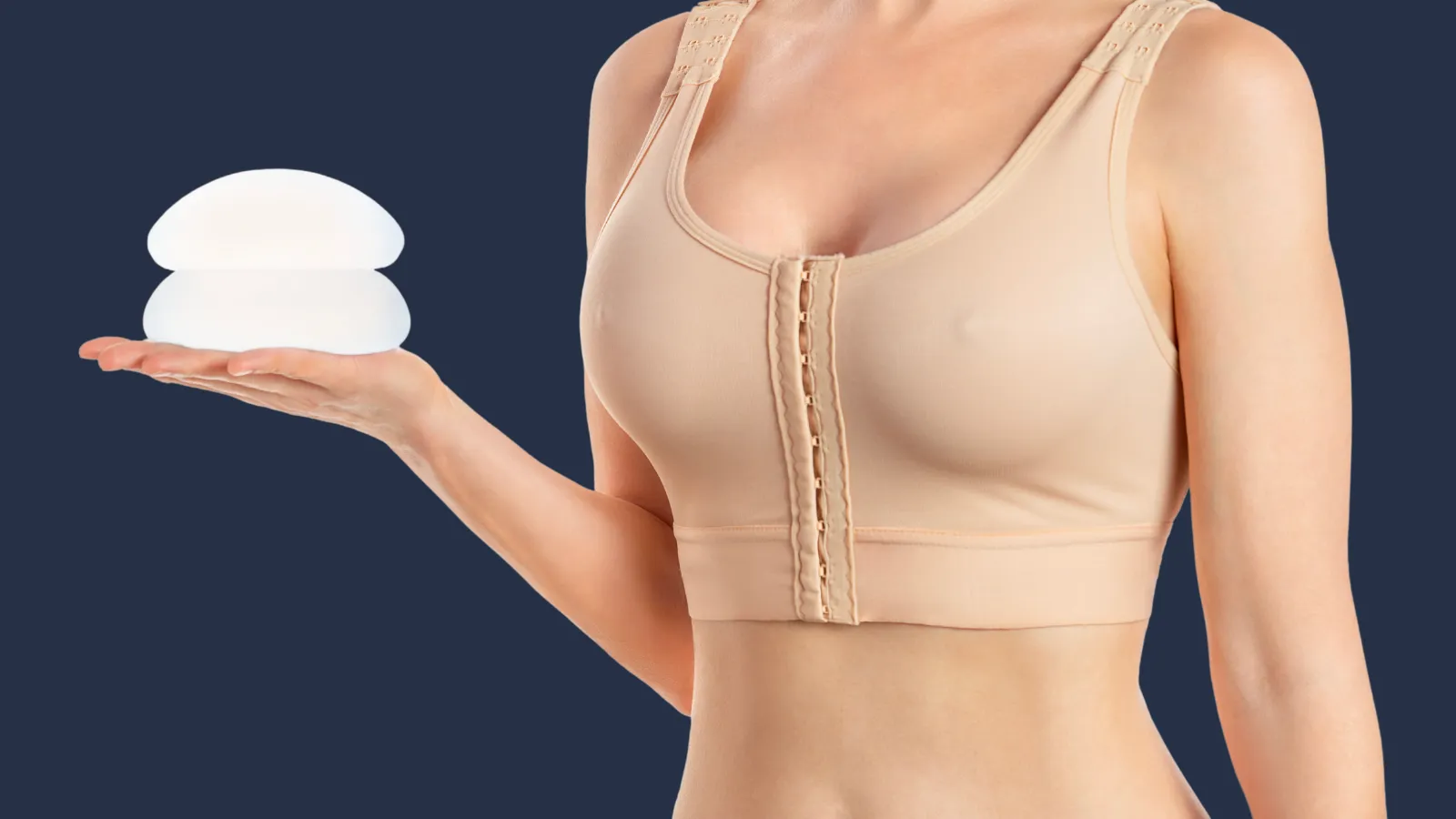
Breast implant revision in Turkey may help patients who want to correct a previous breast augmentation result, manage implant-related concerns, or improve breast shape after physical changes over time. This procedure is often considered when there is firmness, discomfort, visible asymmetry, implant malposition, suspected rupture, rippling, or a desire to change implant size or remove implants altogether.
At ClinMedica, breast implant revision surgery in Turkey is approached as a personalized corrective surgery based on the current condition of the implants, breast tissue, and the patient’s goals.
What Is Breast Implant Revision in Istanbul?
Breast implant revision in Turkey is a corrective breast procedure performed after a previous augmentation or implant-based breast surgery. The goal may be medical, aesthetic, or both.
- In some cases, revision is performed because the breasts no longer look balanced or natural. In others, the reason may be firmness, pain, implant movement, visible implant edges, or changes linked to aging, pregnancy, or weight fluctuation.
- Revision breast surgery in Turkey is usually more individualized than first-time augmentation.
- The surgeon must consider the age and type of the implants, the condition of the breast tissue, the quality of skin support, the presence of scar tissue, and whether the patient wants replacement, correction, or removal.
- If your breasts no longer feel comfortable or look the way you expected, a revision consultation may help clarify whether the issue is implant-related, tissue-related, or a combination of both.
Why Do Patients Consider Breast Implant Revision Surgery?
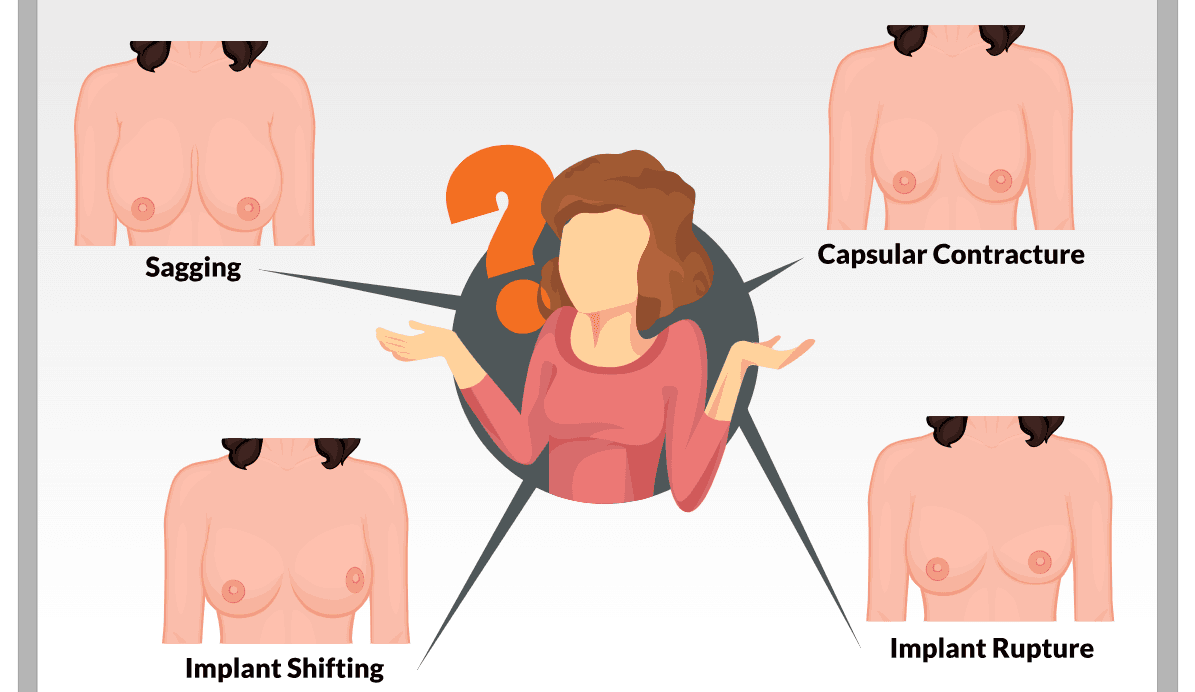
Patients may consider breast implant correction surgery in Turkey for different reasons, and the decision is often linked to comfort, confidence, and the long-term appearance of the breasts. Some concerns appear early after the first surgery, while others develop gradually over the years. Common reasons may include:
- Changing implant size to better match current preferences
- Correcting capsular contracture
- Replacing a ruptured or deflated implant
- Improving implant position if the implant has moved too high, too low, or too far to the side
- Reducing visible rippling or implant edges
- Correcting asymmetry
- Removing older implants
- Refreshing results after pregnancy, aging, or weight changes
- Revising scars from previous surgery
Who May Be a Suitable Candidate for Breast Implant Revision in Turkey?
A suitable candidate is usually someone who has a clear reason for seeking correction and realistic expectations about what revision surgery may achieve. The best plan depends on the current implants, breast anatomy, skin quality, prior scars, and whether the patient wants to keep implants, exchange them, or remove them. You may be a suitable candidate if you:
- Are unhappy with the size, shape, or position of your current implants
- Have breast firmness, visible distortion, or discomfort
- Suspect implant rupture or deflation
- Notice rippling, bottoming out, or asymmetry
- Want implant removal with or without replacement
- Have realistic goals and understand that revision may be more complex than the first surgery
What Problems Can Breast Implant Revision Address?
Breast implant revision can address a wide range of concerns. In many cases, the issue is not limited to one single problem. A patient may have both implant malposition and tissue stretching, or both capsular contracture and asymmetry. That is why precise evaluation matters.
Capsular Contracture
Capsular contracture happens when scar tissue around the implant becomes unusually tight. The breast may feel firm, look distorted, sit higher than expected, or become painful. Revision may involve releasing or removing part of the capsule and deciding whether the implant should be replaced or repositioned.
Implant Rupture or Deflation
A saline implant may visibly deflate. A silicone implant may rupture more quietly and sometimes becomes noticeable through shape change, swelling, firmness, discomfort, or asymmetry. In these cases, revision may involve removing the damaged implant and discussing replacement based on the patient’s goals.
Implant Malposition
An implant may sit too high, too low, too far apart, or too close together. This may happen because of tissue changes, pocket stretching, previous surgical factors, or the natural effect of time. Revision may involve reshaping the implant pocket to improve support and balance.
Rippling or Visible Implant Edges
Rippling may be seen or felt when the breast tissue covering the implant is thin or when the implant position does not provide enough soft tissue coverage. This can affect the look and feel of the breast, especially in slim patients or after tissue changes.
Bottoming Out
Bottoming out happens when the implant drops too low and the nipple appears too high on the breast. This problem may require internal support adjustment and correction of the implant pocket.
Symmastia
Symmastia is a condition in which implants move too close toward the center of the chest. This may affect cleavage shape and breast definition. Revision may help by correcting the internal pocket boundaries.
Scar Concerns
Some patients seek revision because scars widened, thickened, or healed poorly after previous surgery. Scar revision may be part of the corrective plan if the scars affect appearance or confidence.
Changes After Pregnancy, Aging, or Weight Fluctuation
Even when the implants themselves are intact, breast tissues can change over time. Volume loss, skin laxity, drooping, or shifts in shape may lead a patient to seek revision to restore balance and improve proportion.
What Options May Be Included in Breast Implant Revision?
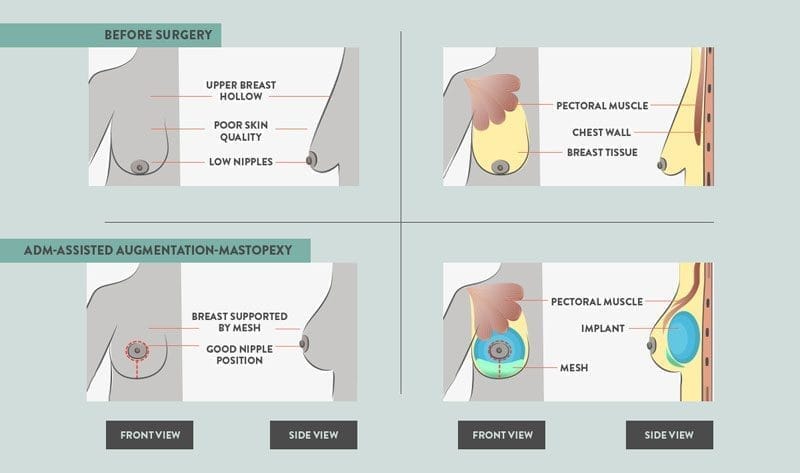
Not every revision requires the same surgical approach. The treatment plan usually depends on what the patient wants to correct and what the tissues can safely support.
| Revision option | What it may address | When it may be considered |
|---|---|---|
| Implant exchange | Size change, rupture, older implants, shape concerns | When the patient wants new implants or needs damaged implants replaced |
| Implant removal only | Discomfort, lifestyle change, preference to stop using implants | When the patient no longer wants implants |
| Capsule treatment | Firmness, distortion, pain from scar tissue | When capsular contracture is present |
| Pocket correction | Implant malposition, bottoming out, symmastia | When implant position is the main issue |
| Revision with lift | Drooping tissue, nipple position concerns, stretched skin | When implant correction alone may not improve breast balance enough |
| Scar revision | Widened or visible scars | When scar appearance remains a major concern |
This type of comparison is important because the solution for one patient may not be suitable for another. A patient who wants smaller breasts may need implant exchange. A patient with severe firmness may need capsule treatment first. A patient with drooping tissue may benefit more from combining revision with a lift than from implant replacement alone.
How Is a Revision Plan Usually Decided?
Before surgery, the surgeon usually tries to identify both the visible concern and the structural reason behind it. This may help avoid treating only the symptom while leaving the underlying issue unchanged. A revision plan is often built around these steps:
- Identify the main complaint, such as firmness, asymmetry, pain, rippling, or unwanted size
- Assess the condition of the implants and the surrounding breast tissue
- Examine scar tissue, implant position, skin quality, and nipple position
- Decide whether the goal is correction, replacement, removal, or reshaping
- Match the surgical option to the actual problem and the patient’s expectations
How Is Breast Implant Revision Surgery Performed?
- Breast implant revision surgery is usually performed under general anesthesia.
- The exact technique depends on whether the surgery involves implant removal, exchange, capsule treatment, pocket correction, scar revision, or an additional lift.
- When possible, previous incision lines may be used, although that depends on what needs to be corrected.
- During surgery, the implants may be removed, replaced, repositioned, or completely removed without replacement.
- If scar tissue is affecting breast shape or comfort, the capsule may be released or partially removed. If the internal pocket is the problem, it may be reshaped to improve implant position and support.
- In some cases, the plan may include more than one corrective step in the same operation.
- Because revision surgery deals with prior surgical changes, stretched tissues, or implant-related complications, it is usually approached with realistic goals.
- The aim is often meaningful improvement, better comfort, and a more balanced result rather than a promise of perfection.
Why Do Many Patients Ask About Breast Implant Revision in Istanbul?
Breast implant revision in Turkey is a common search because many international patients look for corrective breast surgery in a major medical travel destination. However, the city itself is only one part of the decision. What usually matters more is whether the clinic offers a careful revision assessment, clear communication, and a treatment plan that explains the actual problem rather than giving a generic answer. Patients comparing options often want to know:
- What is causing the current problem?
- Is implant exchange enough, or is another correction needed?
- Can implants be removed without replacement?
- Will a lift be necessary?
- What warning signs should not be ignored?
What Can Patients Expect During Recovery?
Recovery depends on the complexity of the breast implant replacement in Turkey.
- A patient having implant exchange only may recover differently from someone who also needs capsule treatment, pocket correction, or a lift.
- In the first phase, swelling, tightness, bruising, and temporary discomfort are common. The breasts may also sit differently before the tissues begin to settle.
- Many patients can return to light daily activity within several days, but full recovery usually takes longer.
- The final shape may continue to improve as swelling decreases and tissues adapt over the following weeks and months.
- The exact timeline depends on the type of revision performed and how the body heals.
- During recovery, it is important to follow the surgical team’s instructions closely.
- Rest, incision care, activity limits, support garments when advised, and follow-up visits all play a role in safer healing.
What Results Can Patients Expect After Surgery?
The main goal of revision is usually to improve a previous result, correct a complication, or create a breast shape that better matches the patient’s current goals. Depending on the reason for surgery, revision may help improve symmetry, reduce firmness, restore a more balanced implant position, soften distortion, or create a more proportionate appearance. Results still depend on several factors:
- The condition of the current implants
- The amount of scar tissue present
- The quality of skin and breast tissue support
- The degree of asymmetry before surgery
- Whether the goal is replacement, removal, or reshaping
- The body’s healing response
Frequently Asked Questions About Breast Implant Revision in Turkey
Is breast implant revision more complicated than first-time augmentation?
Not always, but it often can be more complex because the surgeon may need to work around scar tissue, stretched tissues, implant pocket changes, or older implants. The exact level of complexity depends on the reason for revision and the condition of the breasts at the time of surgery.
Can revision be done without replacing the implants?
Yes. Some patients choose implant removal without replacement. This may be discussed when the patient no longer wants implants, has discomfort, or wants a different long-term solution. Whether additional reshaping or a lift may help depends on the breast tissue and skin quality.
Will I need a breast lift with implant revision?
Not every patient needs a lift. However, if the breast tissue has sagged, the nipple position has changed, or the skin has stretched over time, a lift may sometimes be discussed as part of the revision plan.
Can old problems return after revision?
They can in some cases. Scar tissue behavior, implant aging, tissue changes, and healing patterns vary from one person to another. Revision may improve the current issue, but no surgical plan can guarantee that a complication will never return.
How do I know if my implant may have ruptured?
Some patients notice a visible shape change, new asymmetry, swelling, firmness, or discomfort. Saline implants may deflate more clearly. Silicone implant rupture may be less obvious. If you suspect rupture, timely medical assessment is advised.
When should I ask for urgent medical help after surgery?
You should seek urgent medical review if you develop fever, sudden swelling, increasing redness, severe worsening pain, breathing difficulty, or drainage from the incision. These signs deserve prompt attention.
In Summary: Breast Implant Revision in Turkey Is Safe With Us
In the end, breast implant revision in Turkey may help patients correct implant-related problems, improve breast shape, or update a previous result in a way that better matches their current goals and comfort. The safest and most useful plan usually depends on careful assessment of the implants, scar tissue, breast support, and the exact reason for revision.
- Identify the real cause of the concern
- Match the surgery to the problem, not only to the appearance
- Understand whether replacement, removal, or reshaping is the better path
- Follow recovery guidance carefully
- Seek prompt help if warning signs appear
If you are considering Breast Implant Revision, contact ClinMedica now for an individualized evaluation that can help you understand the options that best fit your anatomy, symptoms, and goals.
Medical Disclaimer:
This article was medically reviewed by our surgeons at ClinMedica, including our medical staff. It is intended for informational purposes only and does not replace a professional medical consultation.
Learn more about how we create and review our content by visiting our Content Policy.