
Pre-operative Instructions for Cosmetic Surgery Under General Anesthesia
Undergoing cosmetic surgery is a significant decision that requires proper preparation to ensure a safe and smooth experience. Following these preoperative guidelines will help minimize risks and support optimal healing.
General Guidelines Before Surgery
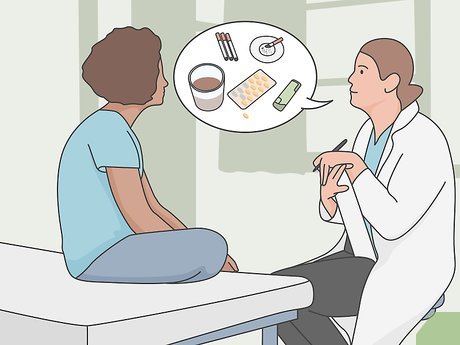
Avoid Alcohol:
Do not consume alcohol for at least 7 days prior to your procedure.
Discontinue Blood-Thinning Medications:
Refrain from taking aspirin, ibuprofen, or any medication containing vitamin E, unless specifically advised by your doctor.
Stop Herbal Supplements:
Avoid herbal products such as ginkgo, ginseng, and fish oil, as they can interfere with anesthesia and increase the risk of bleeding.
Do Not Smoke:
Minimize or stop smoking as it significantly impairs wound healing.
Stay Hydrated:
Drink plenty of water in the days leading up to your procedure.
Inform Us of Any Medications or Supplements:
Let our team know if you are taking any regular medications or dietary supplements.
Skin and Body Preparation

Avoid Hair Removal in Surgical Area:
Do not shave, wax, or use laser hair removal on the area to be treated within a few days before the procedure to prevent irritation or infection.
No Skincare Products:
Do not apply creams, exfoliants, or any skincare products to the surgical area in the days before the operation.
No Makeup or Nail Polish:
Arrive without makeup, nail polish (especially on the hands), or contact lenses on the day of surgery.
Take a Shower Before Coming:
Bathe before your visit, but avoid using deodorants or lotions afterward.
On the Day of Surgery

Fasting Requirement:
Do not eat or drink anything for 8 to 10 hours before your surgery. This includes water, coffee, gum, and candy.
Wear Appropriate Clothing:
Choose loose-fitting, comfortable clothing with a front opening (such as buttons or a zipper) to wear on the day of your procedure.
No Nail Polish on Hands:
Ensure your fingernails are clear of any polish to help monitor circulation during surgery.
Bring a Companion:
It is highly recommended to have someone accompany you, especially if you will be under general anesthesia, to assist you afterward.
Important Health Notes
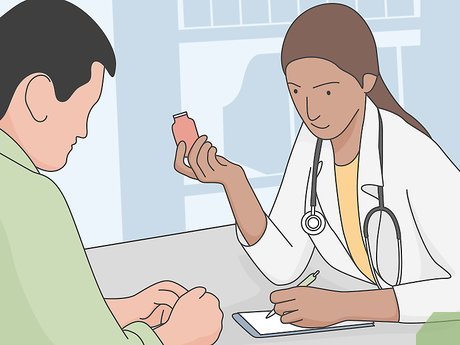
Chronic Conditions:
If you have any ongoing medical conditions such as diabetes, high blood pressure, or heart issues, please inform us in advance so our surgical team can take the necessary precautions.
Hormonal Birth Control:
If you are using hormonal contraception, be sure to notify your doctor.
Post-operative Instructions for Cosmetic Surgery Under General Anesthesia
Proper post-operative care is essential to support healing, reduce the risk of complications, and achieve the best possible results after your cosmetic surgery. Please follow these guidelines closely during your recovery.
Immediate Recovery After Surgery
Rest and Supervision:
You will feel drowsy for several hours after surgery. Rest in a comfortable position and have a responsible adult stay with you for the first 24 hours.
Follow Medication Instructions:
Take prescribed pain medications, antibiotics, and any other medications as directed by your surgical team.
Hydration and Nutrition:
Start with small sips of water once you’re fully awake, then gradually return to a light, healthy diet unless your doctor instructs otherwise.
Avoid Physical Strain:
Do not engage in any heavy lifting, bending, or strenuous activities for at least 2 weeks or as advised by your surgeon.
Start Walking Gently:
Light walking is encouraged the day after surgery to improve circulation and reduce the risk of blood clots, unless otherwise advised.
Wound Care and Hygiene
Keep the Surgical Area Clean and Dry:
Follow your surgeon’s instructions for cleaning the incision site. Do not submerge the wound in water (such as baths, pools, or hot tubs) until given clearance.
Avoid Touching or Scratching the Area:
Do not apply pressure, scratch, or disturb the surgical area. If you experience itching or discomfort, inform your care provider.
Follow Dressing Instructions:
Do not remove or change dressings or compression garments unless instructed. Keep all dressings clean and dry.
Showering:
You may be allowed to take a light shower after a few days, depending on the type of procedure. Avoid hot water and direct pressure on incisions.
Lifestyle and Recovery Environment
Sleep Position:
Follow the recommended sleep position for your specific procedure (e.g., on your back, head elevated, avoid pressure on surgical area). This helps minimize swelling and support healing.
Avoid Smoking and Alcohol:
Do not smoke or consume alcohol for at least 2 to 4 weeks after surgery, as both can impair healing and increase risks of complications.
Wear Compression Garments:
If prescribed, wear your compression garment as instructed to support reshaping, reduce swelling, and improve final results.
Return to Work and Activity:
Avoid returning to work or resuming normal activities too early. A recovery period of 7–14 days is generally recommended, depending on your procedure and your doctor’s guidance.
Swelling, Bruising, and Pain
Normal Effects:
Swelling and bruising are expected and can last several days to weeks. Use cold compresses as directed to relieve discomfort and minimize swelling.
Mild Fever:
A low-grade fever (below 38°C) in the first 48 hours may be normal. Report any persistent or high fever to your surgeon.
Don’t Judge Results Immediately:
Final results take time. Your appearance may change during the healing process. Swelling, fluid retention, or asymmetry are common early on.
Medications and Supplements
Only Take Approved Medications:
Do not take over-the-counter drugs, vitamins, or herbal supplements unless cleared by your surgeon.
Avoid Anti-inflammatory Medications:
NSAIDs like ibuprofen should only be taken if explicitly permitted, as they may affect healing.
Mental and Emotional Recovery
Mood Changes Are Normal:
It is common to feel emotional, anxious, or down during the early days of recovery. Be patient—these feelings often resolve as you heal.
Be Kind to Yourself:
Focus on rest, recovery, and self-care. Avoid excessive screen time, stress, or mirror checking during the first days.
Follow-up and Monitoring
Attend Follow-up Visits:
Your appointments are critical for checking progress, removing sutures if needed, and adjusting your recovery plan.
Watch for Warning Signs:
Call your medical team immediately if you experience:
– Severe or worsening pain
– Redness, warmth, or discharge from the incision site
– Shortness of breath or chest pain
– Sudden swelling in one leg
– Bleeding that doesn’t stop
Limit Sun Exposure:
Avoid sun exposure to scars for several months. Use sunscreen or cover the area to prevent pigmentation changes.
Medical Disclaimer:
This article was medically reviewed by our surgeons at ClinMedica, including our medical staff. It is intended for informational purposes only and does not replace a professional medical consultation.
Learn more about how we create and review our content by visiting our Content Policy.