Hairline Transplant in Istanbul, Turkey may help you rebuild the front frame of your face when the hairline has receded, thinned, or was naturally high from the start. Because the hairline shapes facial balance, success is not only about adding hair—it’s about designing a believable line, placing the right graft types in the right zones.
A lot of clinics talk about hair transplant, but the hairline is a different level of detail. This article explains how hairline work is planned, what can make results look natural (or unnatural), which techniques are commonly used (DHI, FUE, Sapphire), what recovery typically looks like, and how to choose safely—especially if you’re traveling internationally.
What Does Make Hairline Transplant in Turkey Different from a Regular One?
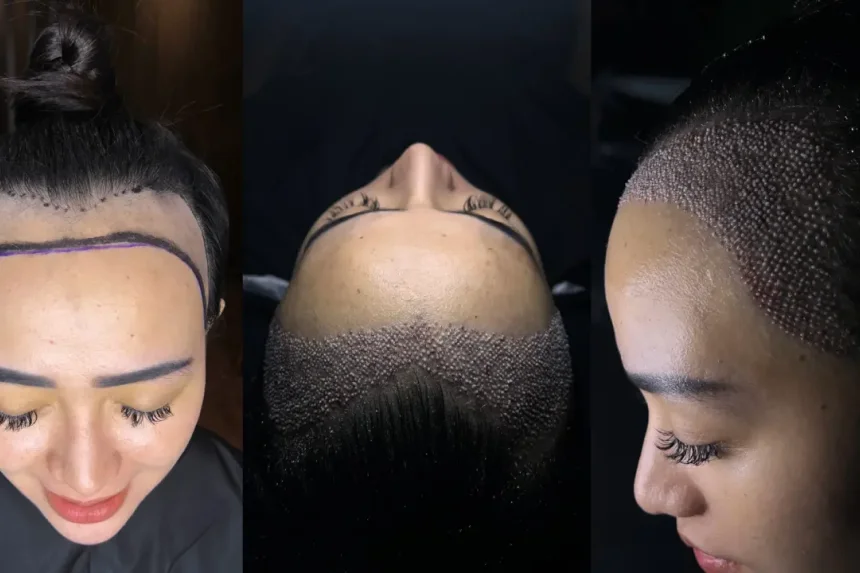
A Hairline Transplant in Istanbul focuses on the most visible where people subconsciously judge symmetry, age-appropriateness, and realism. Small design mistakes can look obvious: a straight line, a low line that moves awkwardly with facial expressions, or thick multi-hair grafts placed too close to the front edge. Hairline planning should balance:
Your facial proportions and expression muscles.
Your age and the likelihood of future recession.
Your hair characteristics (thickness, curl, color contrast with scalp).
Your donor capacity and realistic density targets.
Why Does Hairline Design Affect Facial Harmony So Strongly?
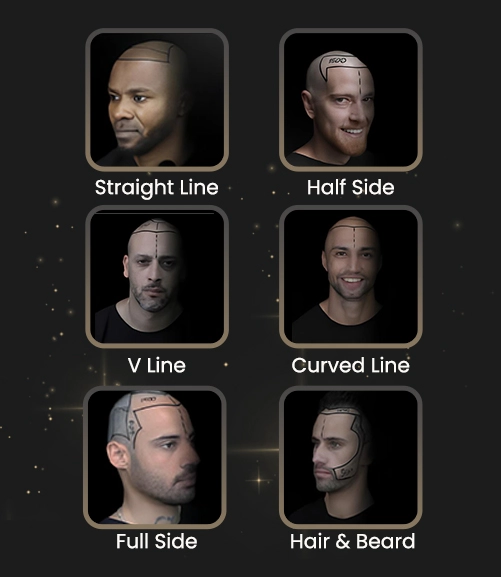
The hairline acts like a visual frame: it defines the forehead, influences perceived symmetry. Many people at Hairline Transplant in Istanbul, Turkey request a very low hairline, but a line placed too low can look unnatural over time—especially when the forehead muscles move during speaking, laughing, and eating. A natural hairline designed by ClinMedica usually includes:
A soft, slightly irregular front edge (not perfectly straight).
Gradual density build-up behind the first row.
Angles that match how native hair grows (especially at the temples).
A design that looks age-appropriate.
The Key Factors That Shape a Natural Hairline
- Face shape: Oval, round, square, heart-shaped, and long faces often suit different hairline curves and temple angles.
- Age: Hairlines naturally mature. A “teenage” hairline on an adult face can look artificial.
- Facial measurements: The hairline should respect facial proportions and avoid risky placement relative to the active frontal muscles.
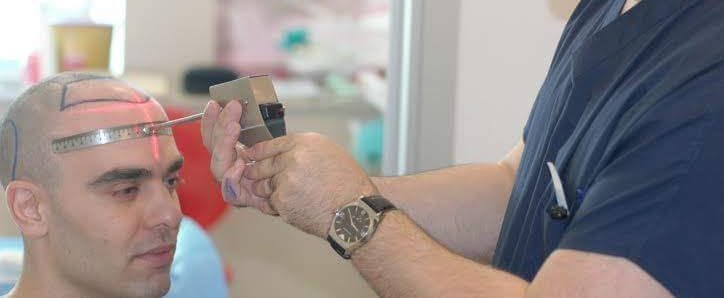
- Laser-guided mapping: Laser guidance can help measure facial proportions and outline the hairline near the temples with high precision, supporting symmetry.
Hairline Design Safeguards That Reduce Unnatural Results
Of course, as a patient, you should adhere to specific criteria concerning hair procedures in order to secure good results. Use these criteria as a practical checklist during consultation:
Confirm the intended hairline height is age-appropriate.
Check how temple points will be designed (symmetry + direction).
Require single-hair grafts at the very front edge.
Plan density in zones (front transition vs behind-the-line fullness).
Control angles and direction so hair doesn’t stand upright or cross.
Avoid a straight, ruler-like line; prefer a soft zigzag micro-pattern.
Discuss how expressions may affect the appearance of a low hairline.
Who Is a Good Candidate for a Hairline Transplant?
A hairline transplant at Hairline Transplant in Turkey may be a good fit if you have stable donor hair and realistic expectations about shape, density, and timeline. It is often considered for people who want to restore a natural look early, correct an overly high forehead, or repair a previous hair transplant that looks unnatural.
| Good fit now | Needs evaluation first (or may not be suitable right now) |
|---|---|
| Early-stage hairline recession with a stable pattern | Rapidly progressing hair loss with an uncertain pattern |
| Naturally high forehead and a realistic design goal | Active scalp inflammation, significant scaling, or unexplained pain |
| Desire to rebuild temples or smooth an uneven hairline | Suspected scarring hair loss conditions (needs medical evaluation) |
| Repair of a prior transplant with enough donor capacity | Limited donor supply for the desired lowering/density |
| Hairline irregularities from scars or injuries (case-dependent) | Unrealistic request for very low hairline despite anatomical limits |
Common Reasons People Consider Hairline Transplantation
Restore a receding frontal hairline in early hair loss stages.
Lower a naturally high hairline in a measured, natural-looking way.
Correct an unnatural result from a previous procedure (repair case).
Rebuild hairline or temple irregularities due to scars or trauma (case-dependent).
How Is a Hairline Transplant Performed at ClinMedica?
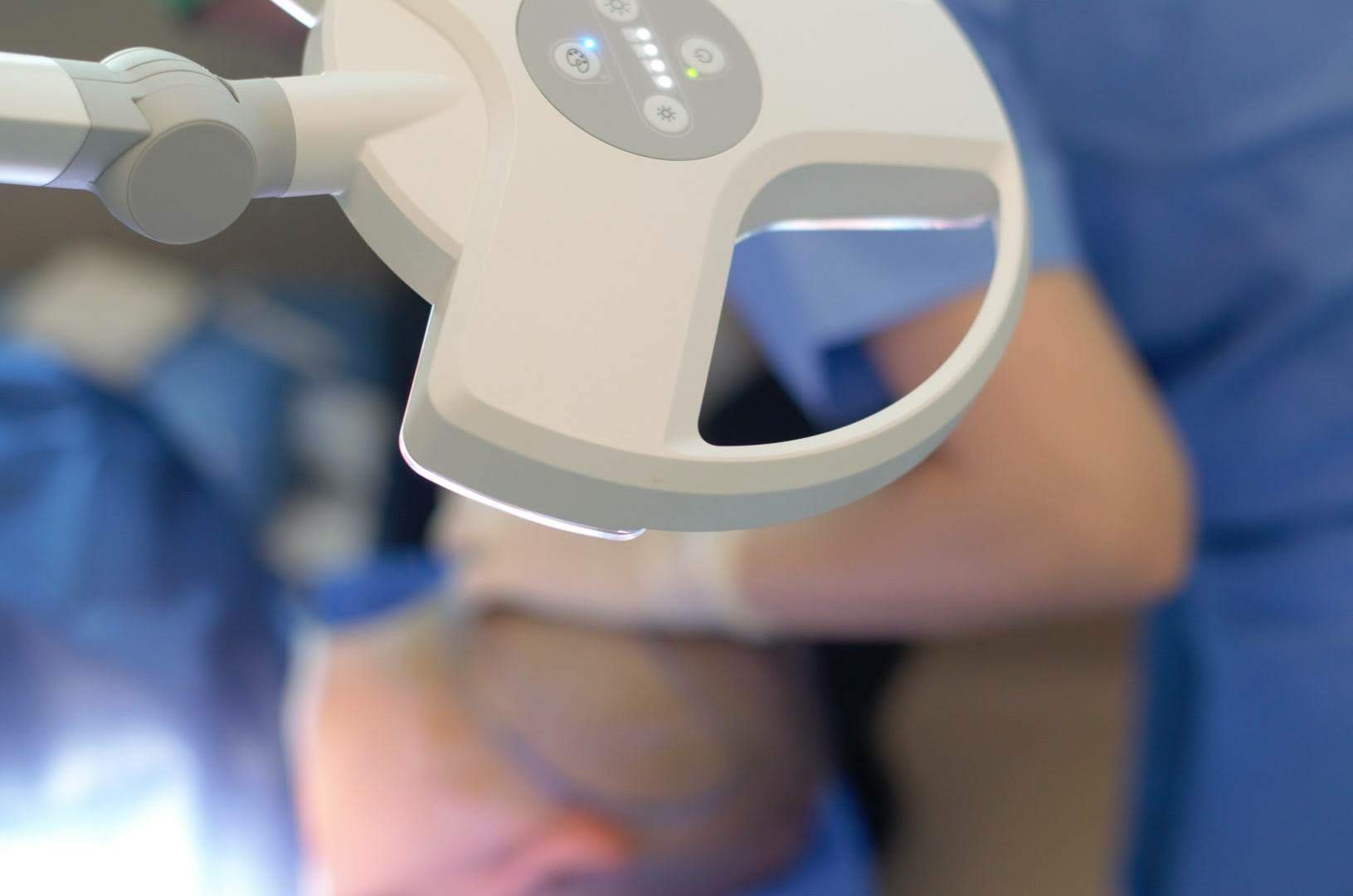
Hairline transplantation at Hairline Transplant in Istanbul generally follows the same overall structure as other hair transplant procedures, with extra attention to graft selection, placement angles, and front-line softness.
- Step 1: Medical checks and candidacy confirmation: The process typically starts with basic medical evaluation and necessary tests to confirm suitability and reduce avoidable risks.
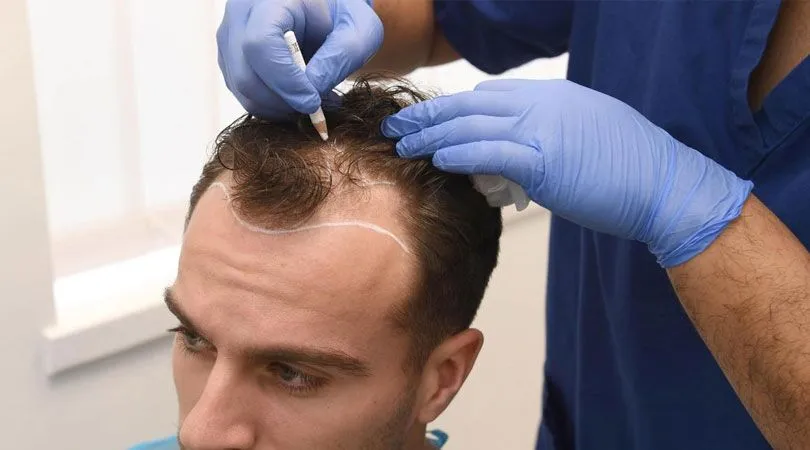
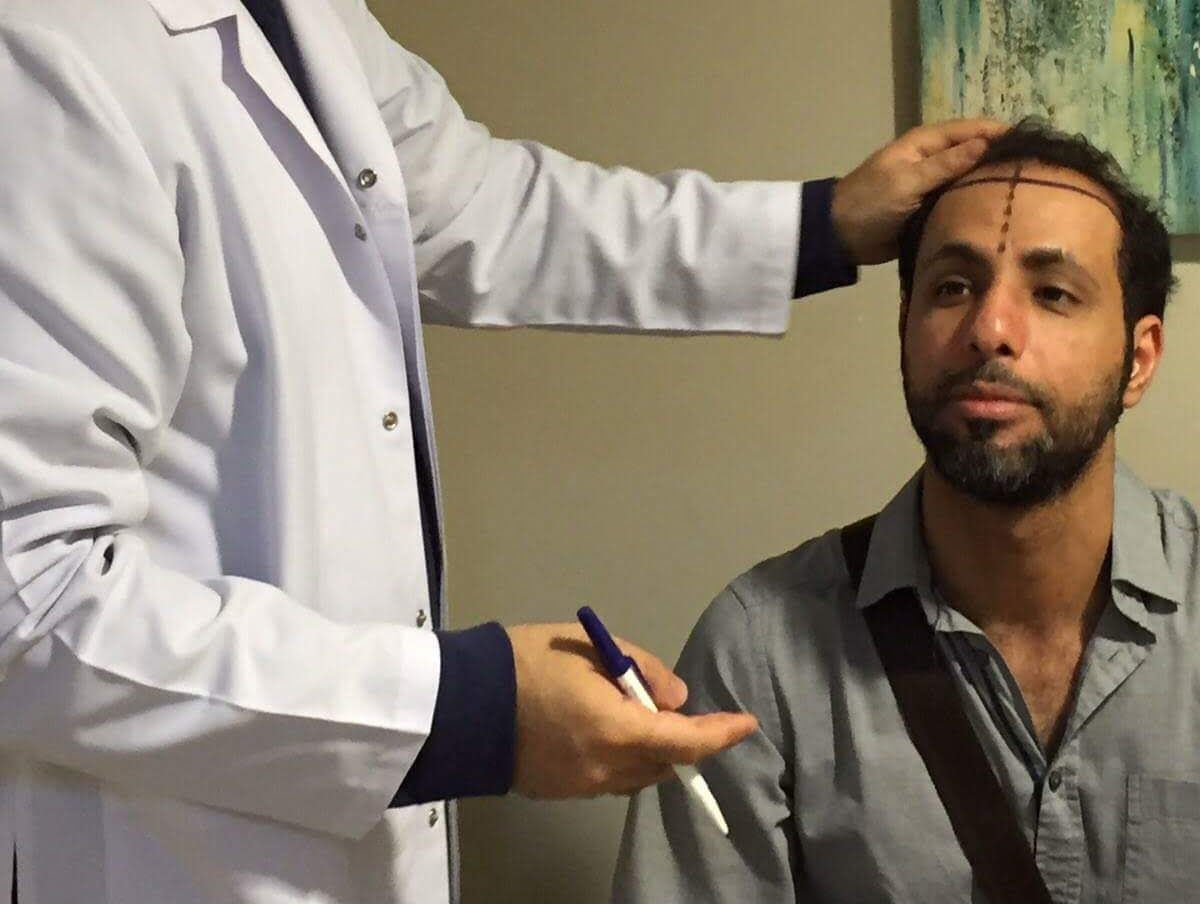
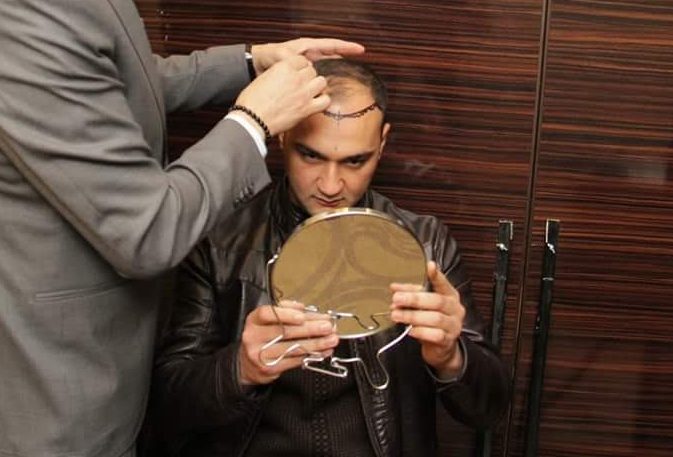
- Step 2: Hairline mapping and design agreement: A detailed design is drawn based on facial shape, measurements, age, and your preferences. The goal is a realistic hairline that looks natural in motion and matches your facial proportions.
- Step 3: Local anesthesia for comfort: Local anesthesia is used to keep the procedure comfortable. Some approaches may be described as needle-free in certain settings; what matters most is safe technique, good supervision, and patient comfort.
- Step 4: Donor extraction (commonly FUE): Grafts are typically extracted from the donor area using FUE (Follicular Unit Extraction). For the hairline specifically, the crucial detail is graft type selection. Here is some specific points you should know: Single-hair grafts are placed at the very front edge for a soft, natural look. Double/triple-hair grafts are placed behind the front edge to build density and fullness.
- Step 5: Implantation planning (Sapphire or DHI): As a matter of fact, there are many implantation procedures. However, there are two common implantation approaches: Sapphire channel opening: very fine incisions planned by square centimeter for even distribution. DHI (Choi pens): grafts are placed with strong control of direction, angle, and density—often a good fit for hairline precision.
- Step 6: Natural pattern placement: A natural hairline is usually built with a soft zigzag micro-pattern rather than a perfectly straight line. This helps the transplanted hair look like it “belongs” to the face.
DHI vs Sapphire FUE
There is no single best method for everyone at Hairline Transplant in Istanbul, Turkey. The right approach depends on hair characteristics, the design goal (temples, lowering, repair), donor capacity, and the team’s experience with hairline aesthetics.
| Technique | How it works (simple) | Why it may suit hairline work | What to clarify in consultation |
|---|---|---|---|
| DHI (Choi pen) | Grafts are placed with an implanter pen | High control of direction/angle/density; useful for hairline precision | Who places grafts, angle strategy, density zoning, temple plan |
| Sapphire FUE | Channels made with fine sapphire blades, then grafts placed | Fine channel creation and planned distribution | Single-hair front policy, zigzag pattern plan, symmetry mapping |
| Standard FUE | Channels with standard blades, then grafts placed | Widely used approach; results depend on skill | Hairline design method, front edge softness, graft selection rules |
Read more about:
When Will You Look Presentable after a Hairline Transplant at ClinMedica?
Recovery varies, but hairline transplantation often follows a recognizable pattern. The most common concern is what you’ll look like in the first two weeks and when new growth actually starts.
Typical Recovery Timeline
Days 1–7: Mild redness and sensitivity can occur; redness often fades gradually.
Around days 10–15: Scabs begin to fall off. Some people worry they’re losing grafts, but scabs can look similar in shape—follicles typically remain under the skin.
Weeks 2–8: Shock loss may happen (temporary shedding of transplanted hairs while follicles remain).
Months 3–4: New growth often starts gradually.
Months 9–12: Many people see the most meaningful final result window, with continuing maturation afterward.
What Helps Protect Outcomes in the Early Phase
At Hairline Transplant in Istanbul, Turkey, specialists keen on informing patients about the importance of aftercare hair transplant:
Follow washing and scalp-care instructions exactly as advised.
Avoid friction, scratching, and pressure on the hairline.
Limit strenuous activity early if instructed.
Report unusual symptoms early rather than waiting it out.
When to Seek Urgent Medical Help
A patient should never ignore some symptoms concerning hair plantation. Thus, seek prompt help if you develop:
Fever, worsening pain, pus, spreading redness.
Significant swelling that worsens rather than improves.
Heavy bleeding or signs of an allergic reaction.
Severe headache, dizziness, or concerning systemic symptoms.
What to Expect as an International Patient in Istanbul
Travel adds an extra layer of planning at Hairline Transplant in Istanbul, Turkey. Clear steps reduce stress and help you make a safer decision.
A simple “next steps” plan at ClinMedica
Send photos + brief history: front/side/top photos and a short note about hair loss progression and prior procedures (if any).
Eligibility + donor review: confirm donor capacity, hair characteristics, and whether your pattern looks stable enough for a hairline plan.
Design discussion: agree on hairline height, temple strategy, and density zoning (single-hair front edge + fuller zone behind).
Procedure + follow-up: understand early care, the first wash plan, and how remote questions will be handled after you return home.
What it costs at ClinMedica
A hairline transplant costs €2,850 with the Sapphire FUE package or €3,550 with the DHI package at ClinMedica, both for the maximum number of grafts. Each package includes the doctor's consultation and hairline design, a translator, transfers, two nights in a hotel, blood tests, needle-free local anesthesia, the medicines and aftercare products, and AGF and PRP injections. Every price is on the hair transplant prices page.
FAQs about Hairline Transplant in Istanbul, Turkey
How long do I typically need to stay in Istanbul?
Many clinics structure hair transplant travel around an arrival day, a procedure day, and an early follow-up (often including a wash and check). The exact schedule depends on your plan and travel logistics.
Can a hairline transplant safely lower a high forehead?
In many cases it can, but the safest design depends on facial measurements, forehead muscle placement, and age-appropriate proportions. Extremely low hairlines can look unnatural, especially with facial expressions.
Do I need to shave my hair for hairline work?
It depends. Shaving requirements vary by technique and by how much area is being treated. Some cases may be done with partial shaving, while others may benefit from more visibility for precision.
How do you avoid a straight, “drawn-on” hairline?
A natural plan typically uses single-hair grafts at the front edge, soft micro-irregularities (zigzag pattern), and correct angles that match native growth. The transition zone behind the line is built gradually to avoid a harsh border.
What if I had a failed transplant before—can the hairline be repaired?
In many cases, repair is possible, especially when there is enough donor capacity and the scalp condition allows safe work. Repair often focuses on softening the front edge, correcting angles, and rebuilding a more natural transition zone. If you have significant scarring or scalp symptoms, medical evaluation is important first.
When will I see real growth and final results?
Temporary shedding can happen early (“shock loss”), and new growth often starts gradually around months 3–4. Many people see the most meaningful result window around months 9–12, with ongoing maturation afterward.
Is DHI always better than Sapphire FUE for the hairline?
Not always. DHI can offer strong control of direction, angle, and density, which may suit hairline precision. Sapphire FUE can also produce natural hairlines when mapping and placement are excellent; the best choice depends on your hair type, design goals, and the team’s demonstrated hairline planning.
Will transplanted hair look natural up close?
Naturalness depends on design (height and shape), single-hair graft use at the front, angle control, and density zoning. Ask to see how your transition zone will be built behind the front edge.
Conclusion about Hairline Transplant in Istanbul, Turkey
In the end, Hairline Transplant in Istanbul, Turkey tends to work best when the plan prioritizes facial harmony, a soft front edge (single-hair grafts), and precise angle control. It also helps to know the timeline: shedding can be normal early on, and visible improvement often develops gradually over months.
Data from the International Society of Hair Restoration Surgery estimated about 703,183 surgical hair restoration procedures worldwide in 2021, which highlights how common hair restoration has become.
Contact us and choose a hairline that fits your age and facial proportions.
Prioritize single-hair grafts at the front edge.
Medical Disclaimer:
This article was medically reviewed by our surgeons at ClinMedica, including our medical staff. It is intended for informational purposes only and does not replace a professional medical consultation.
Learn more about how we create and review our content by visiting our Content Policy.
A fuller guide: Hair Transplant Guide.
Compare the techniques: Hair Transplant Techniques.
Hair transplant at ClinMedica: Hair Transplant.