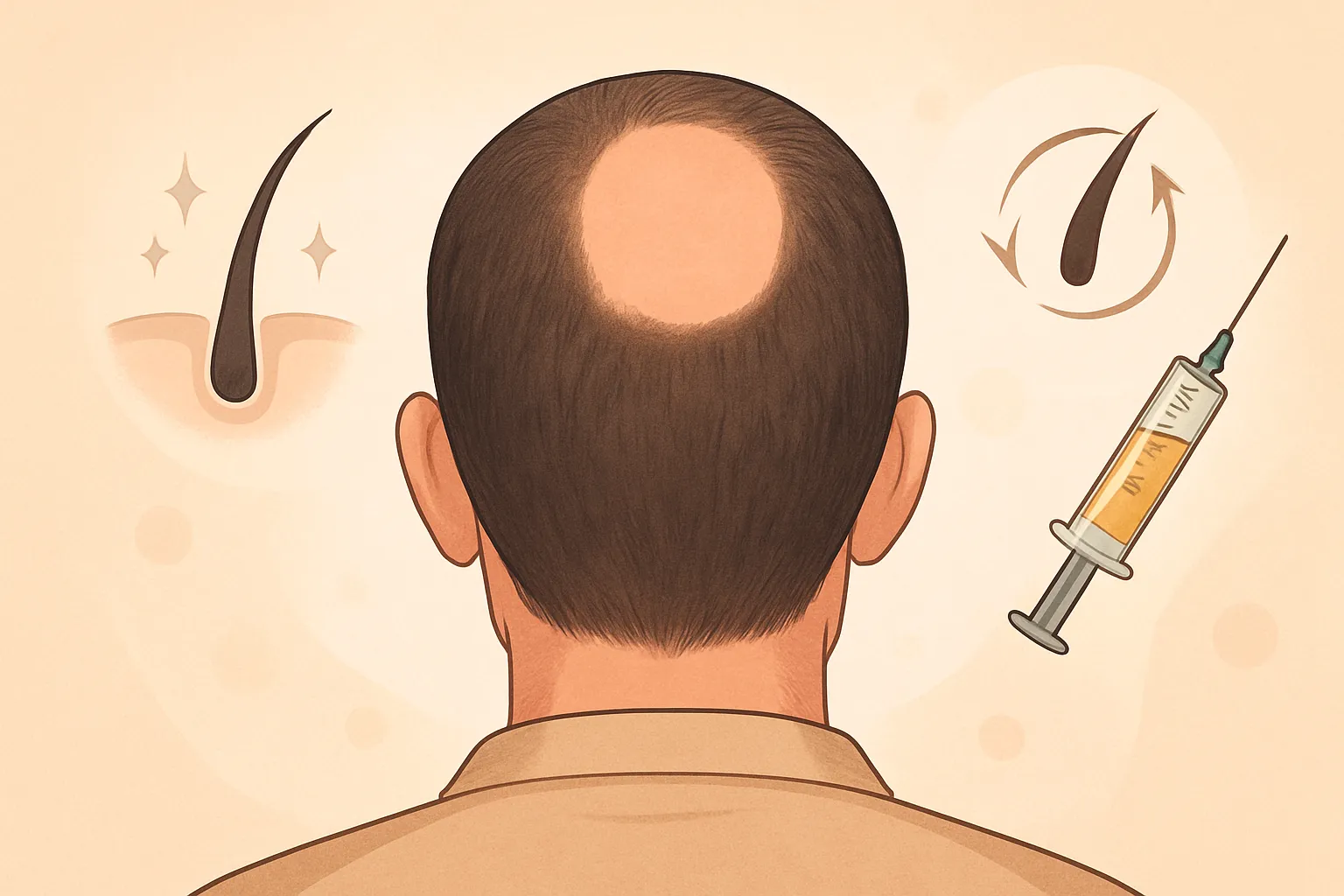
Alopecia areata is an autoimmune condition that causes patchy hair loss on the scalp, face or body. This unpredictable hair loss can be emotionally and psychologically challenging for people of all ages. While it’s not life threatening to physical health, alopecia and hair loss can affect an individual’s confidence and self image. Understanding what alopecia is and treatment options is key for anyone experiencing alopecia symptoms.
What Is Alopecia?
Alopecia means hair loss disorders that result in partial or total loss of hair on the scalp or body. There are several types of alopecia:
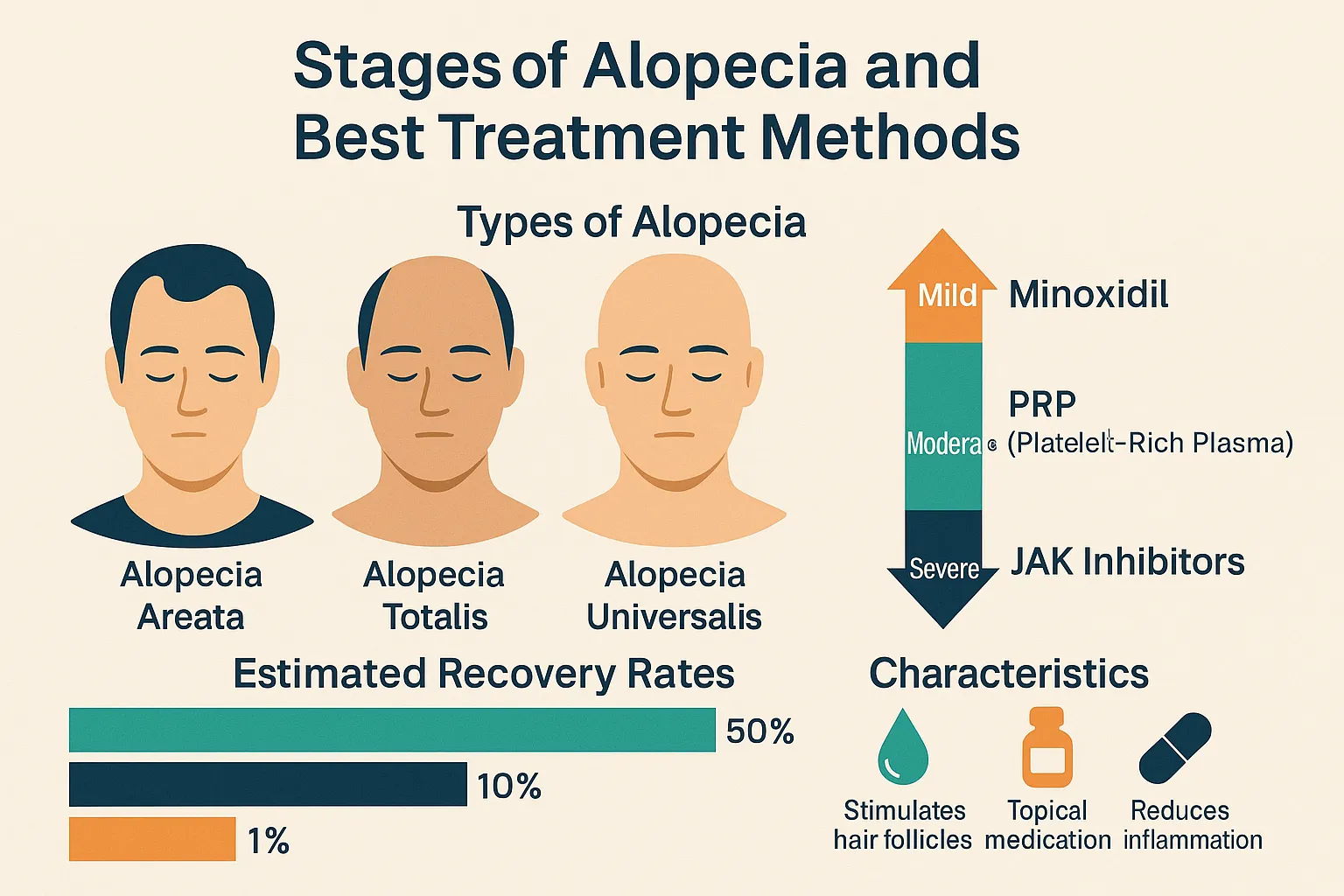
- Alopecia Areata: Autoimmune, patchy hair loss.
- Alopecia Totalis: Total scalp hair loss.
- Alopecia Universalis: Total loss of hair on the body.
- Androgenetic Alopecia (Pattern Baldness): Common in people of all genders, this hereditary form of baldness affects the front and crown areas.
- Trichotillomania: Hair loss due to compulsive hair pulling.
Knowing the differences helps in identifying the right treatment for each individual.
What Causes Alopecia Areata?
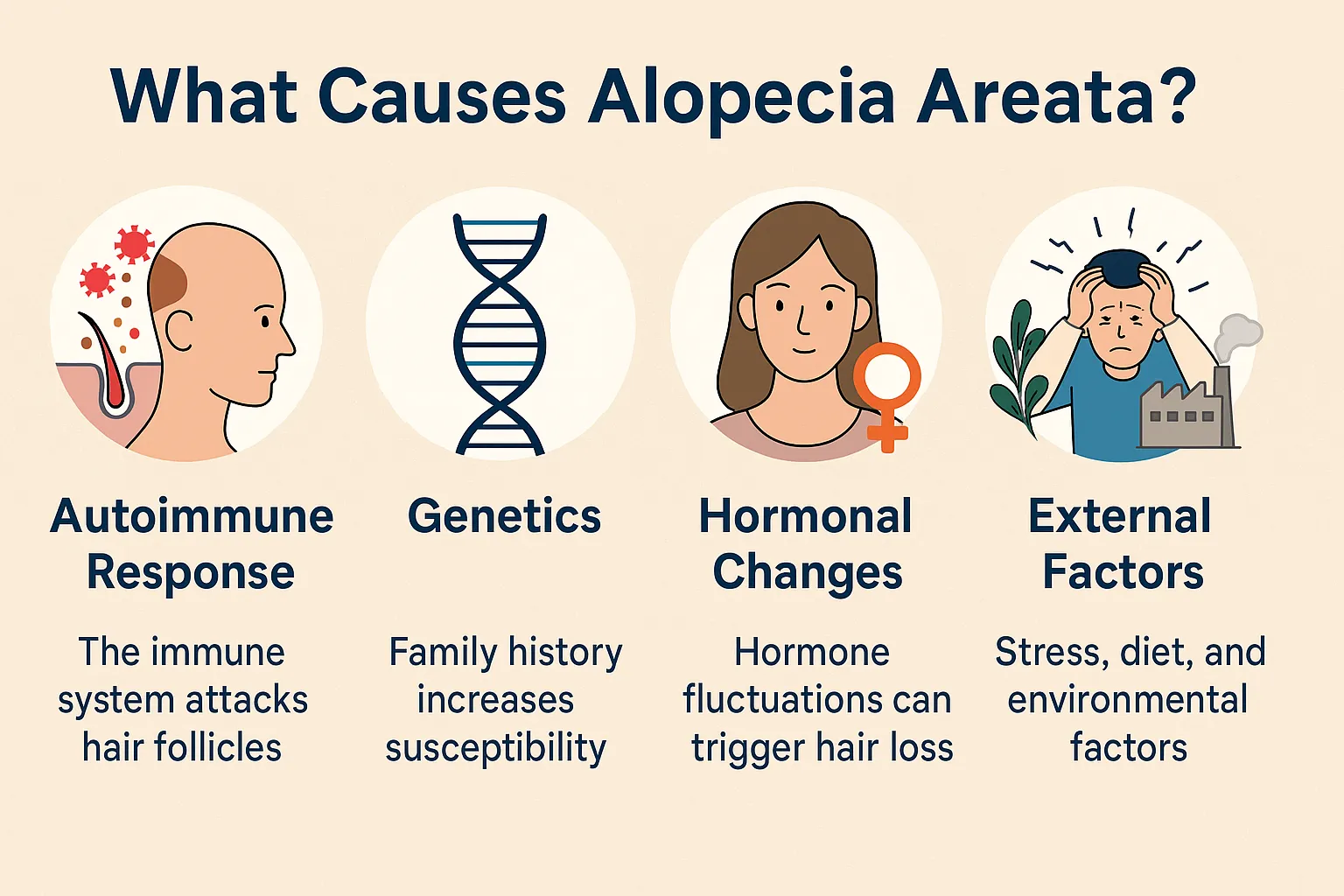
1. Autoimmune Reaction
The main cause of alopecia areata is an autoimmune reaction where the body’s immune system attacks healthy hair follicles. This causes inflammation and disrupted hair growth especially on the scalp and body. Even though the follicles are alive, hair growth stops.
2. Genetic Predisposition
Research shows that people with family history of autoimmune diseases or baldness are more likely to develop alopecia. Specific genes that control immune function may be involved in this condition.
3. Hormonal and Environmental Triggers
Hormonal changes during puberty, pregnancy or menopause can worsen alopecia. External factors such as severe stress, poor diet, infections and environmental toxins can trigger scalp inflammation that leads to hair shedding.
4. Associated Medical Conditions
People with thyroid dysfunction, vitiligo, psoriasis or pattern baldness may be more prone to alopecia areata. Knowing these connections helps in planning a more personalized treatments.
Symptoms of Alopecia Areata
Knowing the early signs of alopecia helps in early intervention. Common symptoms are:
- Patchy Hair Loss on the Scalp: Sudden appearance of coin sized bald areas.
- Thinning of Hair across larger areas of the scalp or beard.
- Bald Spot on the Head: Often painless and with no flaking or redness.
- Hair Loss on Other Parts of the Body: Including eyebrows, eyelashes, arms and legs.
- Broken or Short Hairs near bald spots.
- Changes in Nails: Including pitting or ridges, which occur in some patients.
Some cases progress to more severe forms like alopecia totalis or alopecia universalis which requires aggressive therapy.
Emotional and Psychological Impact
Hair loss is often underestimated as a health problem but it can lead to depression, anxiety and social withdrawal. Patients with alopecia feel isolated and struggle with self esteem. This emotional burden is stronger in children and young adults.
Joining support groups, seeking counseling and staying informed about alopecia areata treatment can greatly improve mental well being. Emotional support is part of the recovery process.
Treatment Options for Alopecia Areata
Alopecia areata cannot always be cured but multiple treatment options can promote hair regrowth and manage symptoms. The best approach depends on the type and severity of hair loss.
1. Medical Treatments
- Corticosteroids: Reduces inflammation and immune system overreaction at the level of hair follicles. Can be topical, oral or injected into the scalp.
- Minoxidil: Topical treatment that increases blood flow and supports hair regrowth.
- JAK Inhibitors: Drugs like Olumiant targets specific pathways involved in autoimmunity. Some clinical trials have shown these to be effective for severe cases.
2. Regenerative Therapies
- PRP (Platelet-Rich Plasma) Therapy: Uses a patient’s blood to extract healing growth factors which are then injected into the scalp to stimulate hair regrowth.
3. Lifestyle Modifications
- Nutritional Counseling: Diets rich in protein, vitamins and minerals are essential for follicle health.
- Stress Reduction Techniques: Yoga, meditation and exercise helps balance the immune system.
- Gentle Hair Care: Avoid heat, dyes and harsh products that stress the follicles.
4. Cosmetic Support
- Wigs and Hairpieces: For those waiting for regrowth.
- Scalp Micropigmentation: Tattooing to replicate natural hairlines.
Early Detection and Diagnosis
Early diagnosis increases the chance of slowing or reversing the hair loss. If you notice bald patches, see a doctor immediately. A doctor may do a scalp analysis or blood tests to rule out other types of alopecia or underlying conditions.
Pattern Baldness vs. Alopecia Areata
Pattern baldness is gradual, hereditary and affects the crown and front of the scalp. Alopecia areata is sudden and can appear anywhere on the scalp or body. While men more commonly experience pattern baldness, alopecia areata affects all genders and ages.
How ClinMedica Can Help
At ClinMedica we support patients with alopecia through personalized care plans based on science and results. Whether you have localized bald patches or advanced hair loss disorders, our team provides:
- PRP Therapy, advanced diagnostics and scalp imaging
- Hair transplantation where necessary
- Nutritional and lifestyle support
- Counseling for emotional recovery
Contact us for a consultation tailored to your needs.
FAQs About Alopecia
What is alopecia?
Alopecia is a condition that causes hair loss from the scalp or other parts of the body. There are various types of alopecia with different causes.
What causes alopecia areata?
An abnormal immune response that attacks the hair follicles, triggered by genetic, hormonal and environmental factors.
What are the symptoms of alopecia?
Symptoms include bald spots, thinning, nail changes and sudden loss of hair in different parts of the head or body.
Is alopecia permanent?
In many cases it is temporary and hair regrowth is possible with proper treatment.
What is the best treatment option?
Treatment options depend on severity but may include corticosteroids, minoxidil, JAK inhibitors, PRP therapy and lifestyle adjustments.
Does it affect children or women?
Yes, children, can all experience alopecia.
Where can I get reliable support and care?Contact us
Medical Disclaimer:
This article was medically reviewed by our surgeons at ClinMedica, including our medical staff. It is intended for informational purposes only and does not replace a professional medical consultation.
Learn more about how we create and review our content by visiting our Content Policy.