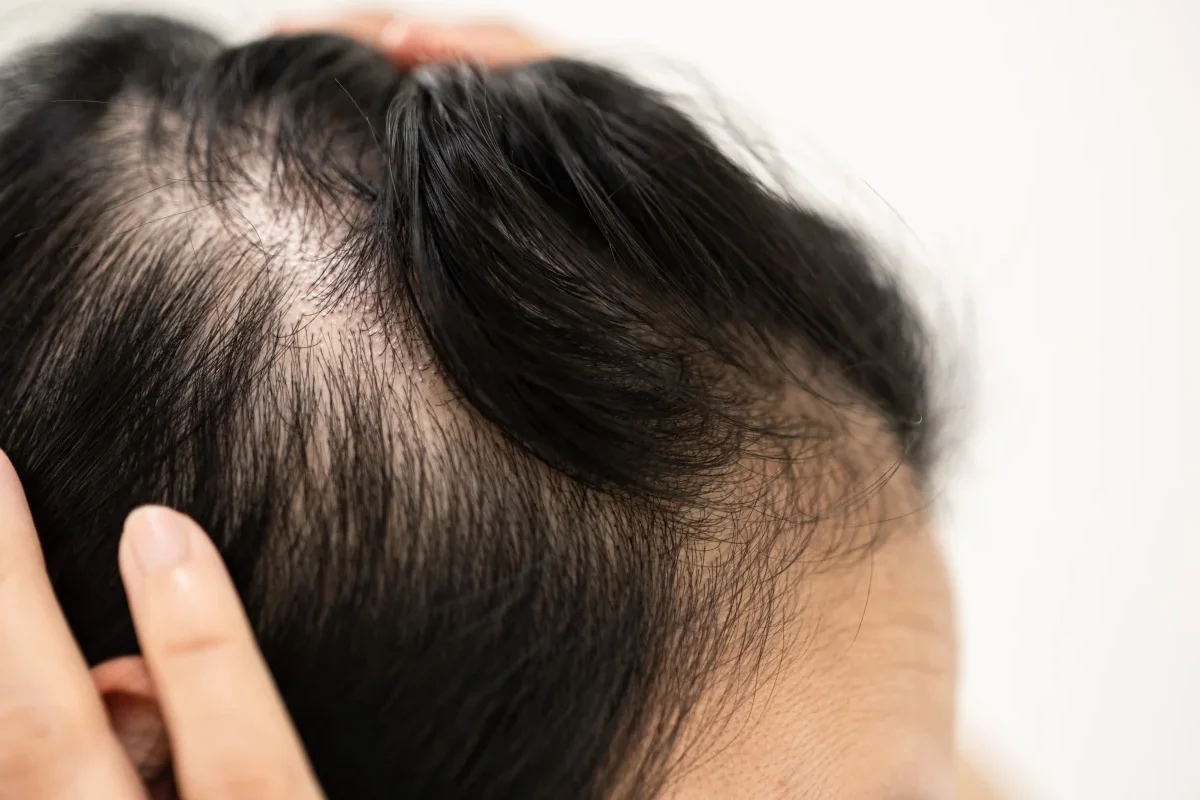
The primary causes of hair loss in women over 50 are hormonal shifts during menopause, genetic predispositions such as female pattern baldness, and physical or emotional stress. Chronic medical conditions and nutritional deficiencies, particularly low iron or vitamin D, also significantly contribute to thinning. Identifying the specific trigger is essential for selecting an effective restoration path.
If you are noticing a wider part or a thinner ponytail, taking a proactive step can make a significant difference. Early evaluation helps determine whether your shedding is temporary or requires a specialized medical approach. Exploring professional guidance today may help you preserve your hair density and regain your confidence.
What are the Primary Causes of Hair Loss in Women Over 50?
Research indicates that approximately 52% of postmenopausal women experience some form of hair thinning. As the body matures, the biological environment that supports hair growth undergoes fundamental changes. This transition often leads to a shorter growth phase for hair follicles, resulting in strands that are finer, shorter, and less resilient than in previous decades.
Understanding the difference between normal aging and clinical hair loss is the first step toward a solution. While losing 50 to 100 hairs a day is typical, seeing scalp skin through your hair or experiencing sudden patches of loss is not. These symptoms often point toward a specific reason of hair fall in female over 50 that requires targeted intervention.
The Impact of Menopause and Hormones
Menopause is the most common driver of hair changes in your fifties. During this period, the production of estrogen and progesterone—hormones that keep hair in the growing phase—drops significantly. When these levels fall, hair grows more slowly and becomes much thinner across the entire scalp.
Lower estrogen levels also allow androgens, or male hormones, to have a stronger influence on the follicles. Androgens can shrink the hair follicles, a process known as miniaturization. This shift is a major factor in what causes hair loss in women at 50, leading to a noticeable loss of overall volume and luster.
Genetic Predisposition and Pattern Thinning
Female pattern hair loss, or androgenetic alopecia, is often inherited from either side of the family. If your relatives experienced thinning as they aged, you might have a genetic sensitivity to hormonal changes. This condition is progressive, meaning it continues over time unless addressed with specific treatments.
Unlike the receding hairlines seen in men, women typically experience diffuse thinning. You may notice that the hair on the top and sides of your head feels less dense. Because this process is gradual, many women do not realize they are losing hair until nearly 50% of their density is already gone.
Specialized Hair Conditions in the Fifties
Beyond general thinning, women over 50 are more susceptible to specific inflammatory conditions. Frontal Fibrosing Alopecia (FFA) is a type of postmenopausal hair loss. It typically causes the hairline at the front and sides of the scalp to recede slowly over several years.
Another related condition is Lichen Planopilaris (LPP), an autoimmune disorder that destroys hair follicles and replaces them with scar tissue. These conditions are serious because the hair loss is permanent once scarring occurs. If you notice redness, itching, or a “shiny” appearance at your hairline, immediate consultation is vital to stop further progression.
Can Medications and Health Issues Trigger Hair Thinning in Women Over 50?
Many women in their fifties manage various health conditions using daily prescriptions. While these medications are necessary for overall health, some have the side effect of triggering hair shedding. This type of loss is often temporary and is known medically as drug-induced telogen effluvium. Common medications linked to hair thinning in women over 50 include:
Statins: Often used to manage high cholesterol levels.
Beta-blockers: Frequently prescribed for high blood pressure or heart arrhythmias.
Blood thinners: Such as anticoagulants used for cardiovascular health.
Antidepressants: Which can sometimes alter the hair growth cycle.
Thyroid Imbalances and Hair Density
The thyroid gland acts as the regulator for your body’s metabolism and cellular energy. If your thyroid function is underactive (hypothyroidism) or overactive (hyperthyroidism), it can disrupt the development of hair at the root. This disruption often leads to hair that feels brittle, dry, and prone to falling out.
Thyroid-related hair loss is usually diffuse and affects the entire scalp rather than specific spots. Because thyroid issues are more common in women as they age, a simple blood test is often the first step in a diagnostic plan. Most women see their hair return to its normal state once the hormonal balance is restored.
Rapid Weight Loss and Nutritional Gaps
Modern weight management solutions, including GLP-1 medications like Ozempic or Wegovy, can lead to rapid physical changes. When the body loses weight quickly, it often enters a state of physical stress. This stress can cause the body to divert nutrients away from hair production to prioritize vital organs.
Biotin and Vitamin D, and Iron deficiency are also frequent causes of hair loss in women over 50. Iron is essential for oxygenating the cells that grow hair. If you are not consuming enough protein or minerals, your hair follicles will lack the building blocks needed to create strong, healthy strands.
Distinguishing Between Shedding and Thinning
Determining the exact nature of your hair loss is critical for choosing the right treatment. Many women confuse temporary shedding with permanent thinning. The following table provides a quick guide to help you identify the symptoms you may be experiencing.
Diagnostic Comparison Table
| Feature | Temporary Shedding (Telogen Effluvium) | Permanent Thinning (Genetic/Hormonal) |
|---|---|---|
| Onset | Sudden (often after stress or illness) | Gradual (occurring over years) |
| Appearance | Large amounts of hair in the drain/brush | Widening part or visible scalp on top |
| Root Cause | Stress, diet, medications, or high fever | Genetics and postmenopausal hormones |
| Potential for Regrowth | High, once the trigger is removed | Requires active medical treatment |
| Early Warning Sign | Handfuls of hair falling out at once | Ponytail feels significantly thinner |
Professional Diagnostic Tools and Treatments
If you are concerned about your hair density, seeking a professional evaluation is the most effective way to find a solution. Specialists use tools like trichoscopy to examine the scalp under high magnification. This allows them to see if follicles are shrinking or if there is inflammation present that requires medical attention.
At ClinMedica, the focus is on providing a comprehensive assessment of each patient’s unique scalp health. By identifying whether the loss is due to scarring, hormones, or external factors, a personalized plan can be developed. Modern options range from medical-grade topical solutions to advanced restoration procedures.
Proven Hair Restoration Options
There are several paths to restoring hair volume for women over 50. The most common treatments include:
Minoxidil: An FDA-approved topical treatment that helps revitalize follicles.
Low-Level Laser Therapy: Using light energy to stimulate cellular activity in the scalp.
Nutritional Therapy: Addressing specific deficiencies with high-quality supplements.
Platelet-Rich Plasma (PRP): Using the body’s own growth factors to encourage hair density.
A combination of these treatments provides the most noticeable results. If topical treatments are not sufficient, a hair transplant for women may be a viable option to permanently restore hair in areas of significant thinning.
Frequently Asked Questions About Female Pattern Baldness After 50
Why is my hair falling out so much after 50?
The most frequent reason of hair fall in female over 50 is the transition through menopause. The decline in estrogen levels weakens the hair follicles. However, it can also be triggered by new medications, thyroid issues, or significant life stress.
When should I see a doctor about hair loss?
You should seek professional advice if you notice sudden patches of hair loss, excessive shedding that lasts more than three months, or if your scalp feels itchy and painful. Early intervention is especially important if you suspect scarring alopecia.
Can hair grow back after age 50?
Yes, hair can grow back if the cause is temporary, such as a vitamin deficiency or stress. For genetic or hormonal thinning, hair can often be thickened and maintained with the right medical treatments, though early action is key to the best results.
Does diet really affect hair thinning in women over 50?
Diet is a foundational factor in hair health. Without adequate protein, iron, and vitamins, your body cannot maintain the hair growth cycle. Improving your nutritional intake is often the first step recommended by ClinMedica experts.
In Summary: Take Control of the Causes of Hair Loss in Women over 50
In the end, managing the causes of hair loss in women over 50 requires a blend of patience, proper nutrition, and professional medical insight. Whether your thinning is a result of the natural menopausal transition or an underlying health concern, solutions are available to help you maintain your appearance and well-being.
Identify if your loss is sudden (shedding) or gradual (thinning).
Check your current medications for potential side effects.
Ensure your diet is rich in hair-essential nutrients like Iron and Vitamin D.
Consult a specialist to rule out inflammatory conditions like FFA.
If you are ready to address your hair concerns with a personalized and professional approach, reach out to ClinMedica for a detailed consultation. Taking action today is the best way to protect your hair for the future.
Medical Disclaimer:
This article was medically reviewed by our surgeons at ClinMedica, including our medical staff. It is intended for informational purposes only and does not replace a professional medical consultation.
Learn more about how we create and review our content by visiting our Content Policy.