
What you will find here
Plastic surgery results, grouped by the part of the body treated: the face, the breast and the body. Each card opens one procedure's photographs, from facelifts and rhinoplasty to tummy tucks, liposuction and breast surgery. The plastic surgery page explains how the procedures differ and who each one suits.
How to read these photographs
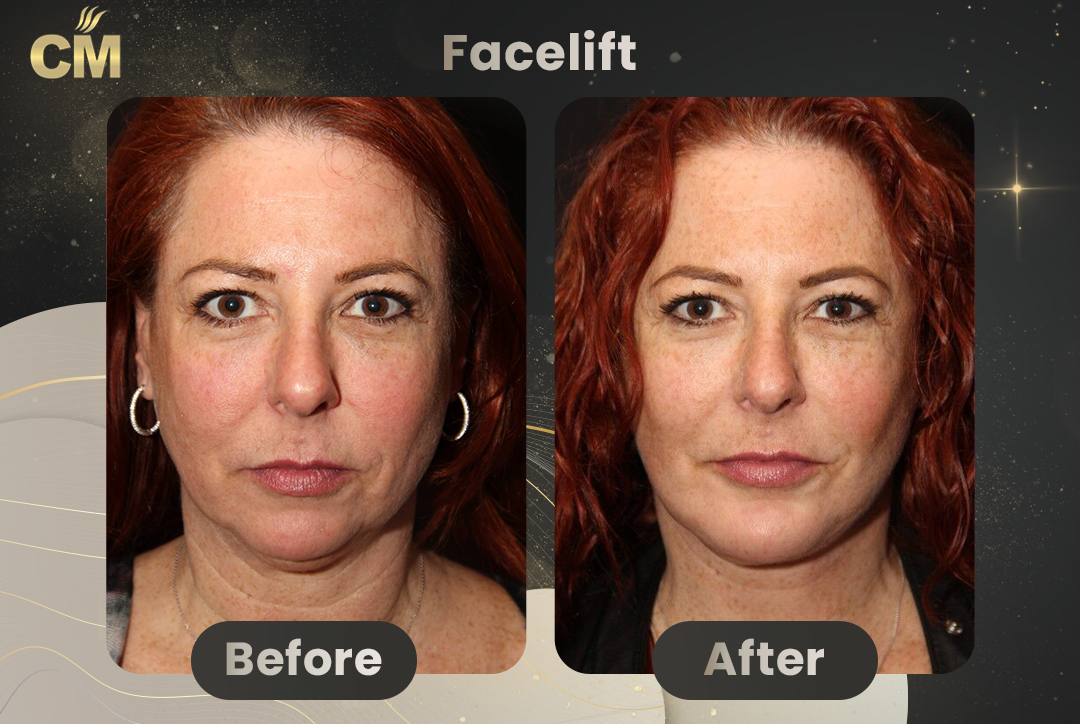
A before-and-after photograph is useful only if you know what you are looking at. Every set here is a real ClinMedica patient, photographed from the same angles before surgery and again afterwards. Look first at how long after surgery the "after" picture was taken: swelling and bruising take weeks to settle, and the final shape of the treated area appears later still. Then look at the starting point rather than the result alone - the change is what the surgery achieved, and a patient whose anatomy is close to yours tells you more than the most dramatic transformation on the page.
What your own result depends on
No two patients start from the same place. Age, skin quality, previous operations, weight and whether it is stable, general health and what your body does while it heals all shape the outcome, which is why the same operation gives different results to different people. The photographs show what is possible, not what is promised. The way to find out what is realistic for you is a consultation: the surgeon examines you, explains what the procedure can and cannot change, and says so plainly when something is not advisable. You can ask for a free consultation with photographs of your own, or read what each procedure involves on the procedure pages.