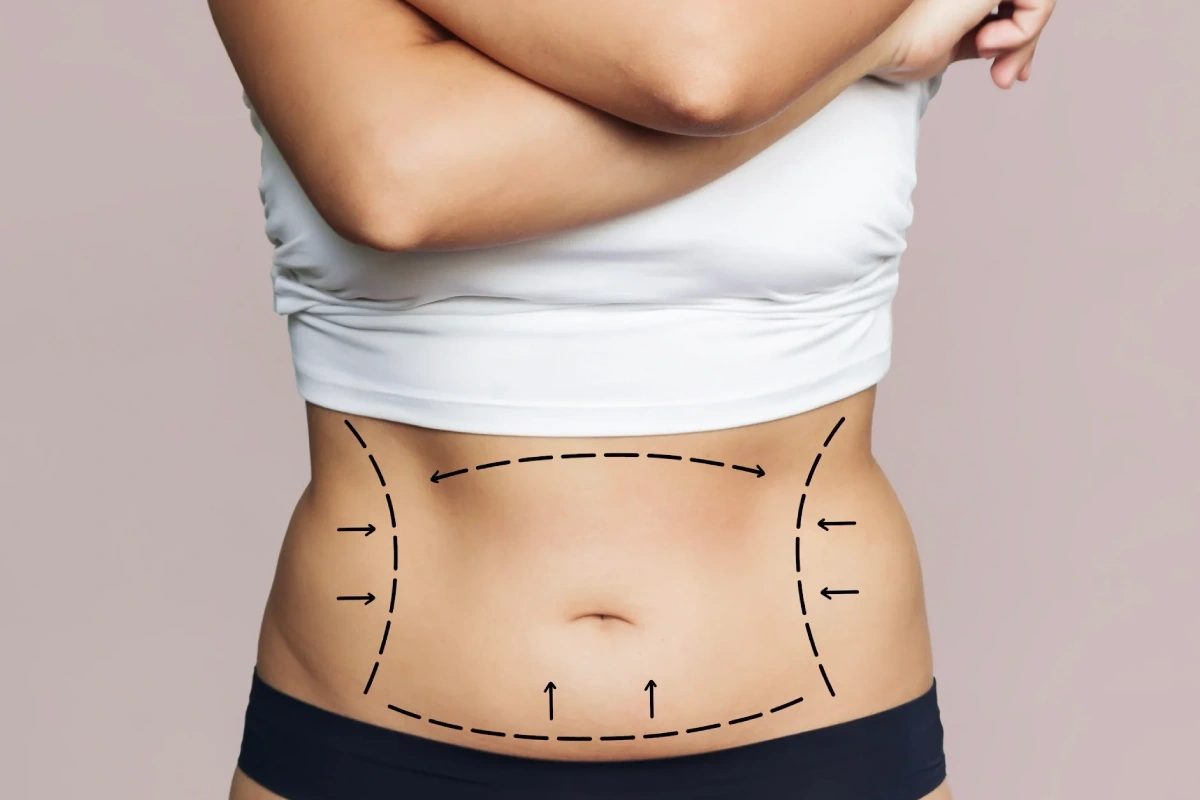
Recovery after liposuction surgery typically requires a window of 1 to 2 weeks for returning to work, while final body contours emerge between 3 and 6 months post-procedure. The healing process involves managing initial swelling through compression therapy, maintaining a specific nutritional protocol, and following surgical guidelines to ensure skin elasticity and permanent fat removal results.
Navigating the weeks following your procedure is just as vital as the surgery itself. Whether you are addressing stubborn fat in the abdomen, thighs, or arms, your body needs a dedicated period to heal tissues and adapt to its new shape. At ClinMedica, we prioritize a structured aftercare approach to help you navigate this transition safely and comfortably.
What To Expect After Liposuction Surgery in Istanbul?
Understanding the phases of healing helps reduce anxiety and allows you to prepare your home and schedule accordingly. While every individual heals at a different pace, most patients follow a predictable sequence of recovery milestones.
The First 48 Hours: The Acute Phase
Immediately after liposuction surgery, you may feel groggy from anesthesia and experience localized soreness similar to intense muscle fatigue. It is common to see minor fluid drainage from incision sites; this is a normal part of the body shedding the tumescent fluid used during the procedure. During this time, rest is paramount, though very light movement is encouraged to maintain healthy circulation.
The First Week: Managing the Peak of Swelling
The first 3 to 7 days usually involve the most significant swelling and bruising. You will likely be instructed to wear a compression garment around the clock. By day 4 or 5, most patients find that their discomfort levels drop significantly, allowing for a gradual return to light, non-strenuous daily activities.
Weeks 2 to 4: The Transition Period
During this phase, bruising typically fades, and the initial “tightness” begins to relax. This is often when patients return to office-based work. While you may feel significantly better, your internal tissues are still remodeling, making it essential to continue wearing compression support as advised by your surgical team.
Months 3 to 6: The Final Reveal
The residual, deep-seated swelling slowly dissipates over several months. This is the period where the skin settles and the final definition of your new contours becomes fully apparent. Consistency in your lifestyle habits during these months determines the longevity of your post-liposuction recovery success.
A Practical Checklist for Liposuction Patients
One of the most common areas of confusion for patients involves the small, daily habits that change immediately after surgery. Following these guidelines helps prevent infection and promotes a smoother post-operative healing period.
| Activity | Recommended Timeline | Safety Notes |
|---|---|---|
| Driving | Usually after 5–7 days | Only once you are no longer taking prescription pain medication and feel alert. |
| Showering | Typically 48–72 hours | Follow your surgeon’s advice on when to remove or get bandages wet. |
| Sleeping | First 2 weeks | Sleep in a position that avoids direct pressure on the treated areas (often on the back). |
| Walking | From Day 1 | Light, indoor walking is vital to prevent blood clots. |
| Returning to Work | 1–2 weeks | Depends on the physical demands of your job; sedentary work is sooner. |
| Intensive Sports | 4–6 weeks | Requires explicit clearance from your doctor to avoid tissue trauma. |
Essential Aftercare Tips for Optimal Results
Successful liposuction aftercare is a proactive process. By supporting your body’s natural healing mechanisms, you can potentially reduce the duration of swelling and improve the quality of your final results.
Nutrition and Hydration for Tissue Repair
Your body requires extra energy and specific building blocks to repair the tissues affected during fat removal. A diet rich in lean proteins, such as chicken, fish, or plant-based alternatives, supports collagen production. Additionally:
Reduce Sodium: High salt intake causes the body to retain water, which can exacerbate post-op swelling.
Stay Hydrated: Drinking plenty of water helps flush out medications and supports the lymphatic system in processing fluid.
Vitamin Support: Foods high in Vitamin C and Zinc may help in the closure of incision sites and skin health.
Safe Physical Activity and Movement
While you must avoid heavy lifting or high-impact cardio for several weeks, total immobility is discouraged. Gentle movement helps stimulate the lymphatic system, which is responsible for draining the fluid that causes swelling.
The Role of Lymphatic Drainage Massage
Many experts recommend specialized lymphatic drainage massages starting a week or two after surgery. This manual technique helps move excess fluid toward the lymph nodes, potentially reducing the “lumpiness” or hardness that some patients feel during the first month of following fat removal.
Medications and Behavioral Warnings
Managing your recovery also means knowing what to avoid. Certain habits can significantly hinder the healing process or even lead to surgical complications.
Pain Management Protocol
Most patients find that their discomfort is manageable with standard pain relief. Paracetamol is often the primary recommendation for mild to moderate pain. However, you must avoid aspirin or ibuprofen unless specifically cleared by your surgeon, as these can thin the blood and increase the risk of bruising or internal bleeding. Always follow the specific medication schedule provided to you upon discharge.
Smoking and Alcohol: The Hidden Risks
Smoking: Nicotine constricts blood vessels, which reduces the amount of oxygen reaching the healing tissues. This can lead to delayed wound healing and increased scarring. It is highly recommended to stop smoking at least several weeks before and after your procedure.
Alcohol: Alcohol can thin the blood and interfere with medications. Furthermore, it dehydrates the body, which is counterproductive during the post-liposuction recovery phase.
Incision and Scar Management After the Surgery
Modern liposuction techniques use very small incisions, usually only a few millimeters in length. While they are designed to be inconspicuous, proper care is essential to minimize their visibility.
Caring for Your Surgery Incisions
Keep the incision sites clean and dry. Your surgeon may provide specific patches or dressings that should remain in place for the first week. Avoid exposing these areas to sunlight, as UV rays can cause permanent hyperpigmentation (darkening) of the healing scar.
How to Minimize Scarring After Surgery
Once the incisions have fully closed, your doctor might recommend silicone gel sheets or specific creams to keep the area hydrated. Massaging the scar tissue can also help break up fibrous tissue and ensure the skin remains smooth and supple.
Traditional vs. Advanced Liposuction
The technology used during your procedure—such as Vaser or Laser-assisted liposuction—can influence the intensity of your life after lipo. Advanced methods often target fat cells more selectively, sparing surrounding nerves and blood vessels.
| Feature | Traditional Liposuction | Vaser/Laser Liposuction |
|---|---|---|
| Tissue Trauma | Higher (Mechanical force) | Lower (Ultrasound/Heat) |
| Initial Swelling | Significant (4–6 weeks) | Moderate (2–4 weeks) |
| Skin Contractions | Minimal | Enhanced (Heat stimulates skin) |
| Typical Recovery | 7–10 days off work | 3–5 days off work |
Regardless of the method, the commitment to aftercare remains the same. Choosing a clinic that utilizes these modern technologies can provide a more comfortable experience during the initial post-operative healing period.
How Do you Maintain Your Results for the Long Term?
Liposuction permanently removes fat cells, but it does not change your body’s ability to store fat in the remaining cells. To preserve the sharp contours achieved through surgery, weight maintenance is critical.
If significant weight is gained after the procedure, the remaining fat cells in the body will expand, which can diminish the aesthetic balance of your results. Integrating a consistent exercise routine and a sustainable, healthy diet into your life after lipo is the best way to ensure your transformation lasts a lifetime.
FAQs About After Liposuction Surgery in Istanbul
How long must I wear the compression garment?
In most cases, you will wear the garment 24/7 for the first 2 to 4 weeks, followed by another 2 weeks of daytime wear. This pressure is essential for reducing fluid buildup and helping the skin adhere to the new body shape.
Can I travel or fly after liposuction surgery?
Short trips are usually fine after a week, but long-haul flights are generally discouraged for at least 2 to 3 weeks due to the increased risk of blood clots. Always consult your surgeon before booking travel.
When will the “hardness” in the treated area go away?
It is normal for the treated areas to feel firm or “lumpy” for the first 4 to 8 weeks. This is typically caused by internal scarring and residual edema. Regular lymphatic massage and time usually resolve this.
Why do I look heavier immediately after surgery?
Fluid retention and the tumescent solution used during surgery often cause temporary bloating. It is common to “weigh more” or look larger in the first few days after liposuction surgery than you did before the procedure. This will subside as your body processes the fluids.
In Summary: Your Recovery Journey After Liposuction Surgery with Us
In the end, the success of your transformation depends on the partnership between your surgeon’s skill and your dedication to the recovery process. Following these guidelines for after liposuction surgery ensures that your body heals efficiently and that your results are both beautiful and lasting. Based on clinical observations, approximately 85-90% of the final result is visible by the end of the third month, provided that the patient adheres to the compression and nutritional protocols.
Prioritize rest in the first 48 hours but keep moving gently.
Adhere strictly to the compression garment schedule.
Avoid blood-thinning medications and inflammatory habits like smoking.
Maintain a stable weight to protect your new silhouette.
Listen to your body and report any unusual symptoms to your doctor.
Contact ClinMedica today to request a detailed consultation and receive a personalized recovery plan designed to help you reach your goals safely.
Medical Disclaimer:
This article was medically reviewed by our surgeons at ClinMedica, including our medical staff. It is intended for informational purposes only and does not replace a professional medical consultation.
Learn more about how we create and review our content by visiting our Content Policy.